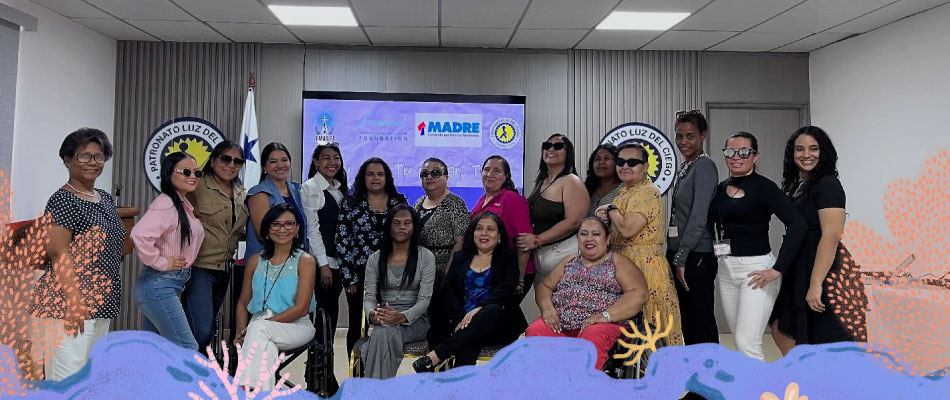
AMADIPA was founded in 2023 on a firm conviction: its struggle would not be rooted in charity, but would instead be profoundly political. In just three years, the Asociación de Mujeres Autónomas con Discapacidad de Panamá has turned its political potential into concrete action through a disruptive approach that redefines traditional activism in the Panamanian context:
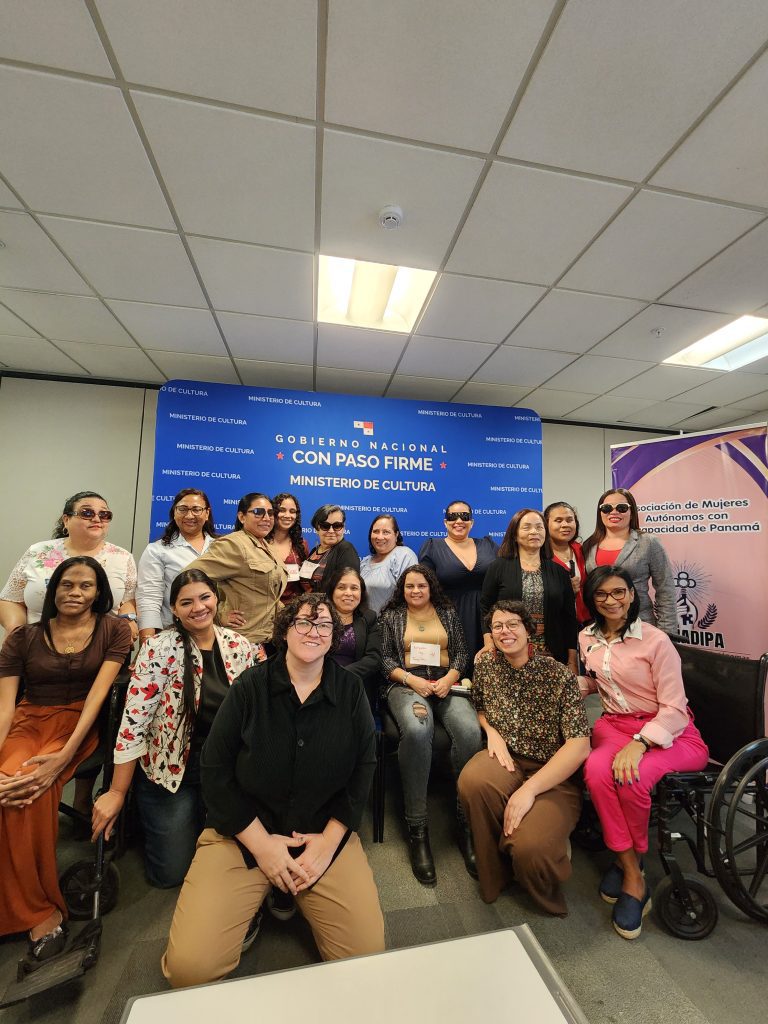
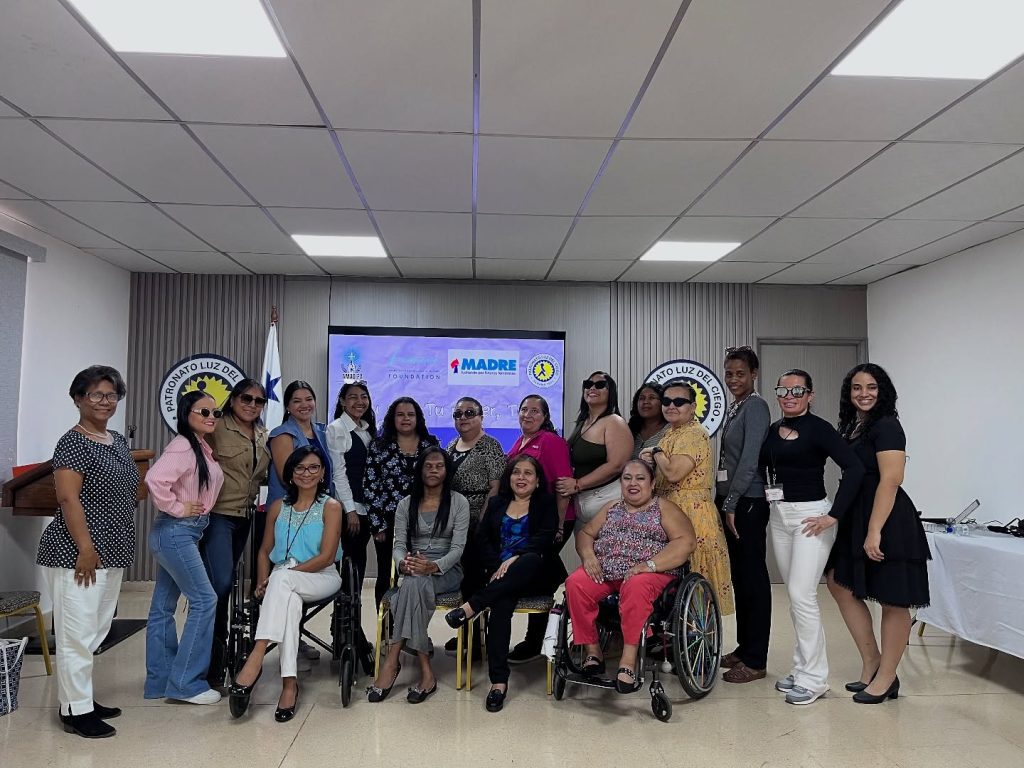
It currently has 27 members, including migrant, Afro-descendant, and Indigenous women, ranging from young women to adults and coming from both urban and semi-rural areas.
It brings together women with diverse disabilities (visual, physical, and hearing disabilities) to build a shared political front.
It breaks with inspirational, charity-based, and welfare-oriented approaches, demanding its rightful place as political subjects with a voice of their own.
It forges strategic alliances with feminist and gender and sexual diversity movements, grounded in a deeply intersectional practice.
It asserts the right to pleasure and sexuality, thereby challenging traditional gender norms.
It exercises authentic leadership, built on its members’ own demands and the realities of their local communities.
It is moving toward financial autonomy, having secured legal status at the end of 2025, which allows it to manage public funds.
Behind these achievements are stories of transformation that challenge prejudice. We spoke with Marissa Martínez (President), Estefanía Cubillos (Project Coordinator), Nicole Hernández (Recording Secretary), Yamileth López (Logistics), and Esther Villarreal (Treasurer) so they could tell us how, throughout 2025, the organization brought about significant changes in the lives of the women with disabilities who participated in AMADIPA spaces.
Disability in Panama: Laws and Rights on Paper Only
Panama remains a deeply conservative country with a long-standing debt to human rights. For Estefanía Cubillos, the prevailing mindset remains firmly anchored in a charity-based, welfare-oriented approach. She also points to a glaring disparity: while Panama ratifies international treaties and conventions, their implementation remains superficial. Discounts on flights, hotels, and restaurants are honored, but structural change and true inclusion remain elusive.
Another point worth highlighting is that organizations for people with disabilities in Panama tend to be mixed-gender and operate from a cis-normative perspective. Moreover, they have historically focused on health support and care, while leaving aside political advocacy, reflection on personal agency, and any challenge to the status quo.
AMADIPA: A Political Collective Promoting Autonomy
In a context where funding rarely reaches collectives of women with diverse disabilities, AMADIPA has emerged as a pioneering force. It has created a space for innovative and accessible approaches that resonate deeply with the women who take part in its activities. As Nicole recounts: “Some women came across the concept of self-care for the first time, while others explored dimensions of their sexuality, pleasure, and sensuality.”
The women of AMADIPA are also convinced that strengthening their autonomy, agency, and leadership requires breaking away from narratives of sympathy. “We want to transform the societal perception that we cannot make decisions about our bodies and our lives,” Nicole explains.
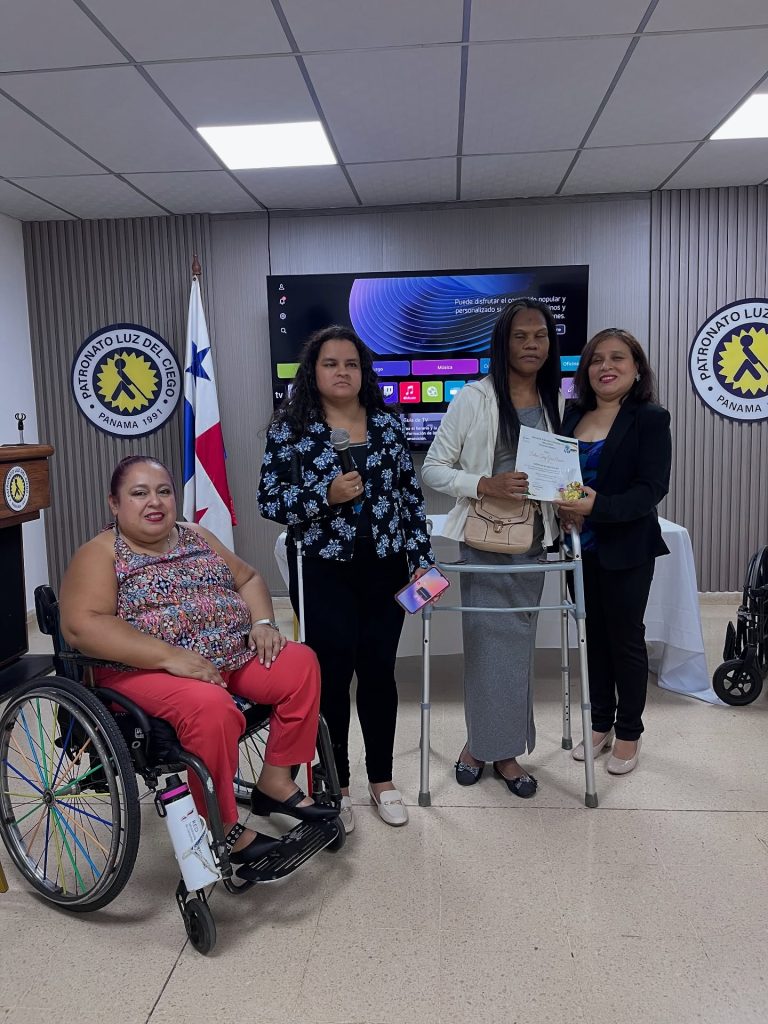
Yamileth, who has low vision, shared an experience in which she and her colleague Esther, a wheelchair user, went to an institution to take care of some administrative paperwork. The people there simply could not understand how the two of them could navigate the space without someone to guide or push them. Both women saw this as a valuable opportunity to raise awareness and challenge prejudice.
Indeed, as Nicole puts it: “Panamanian society is not accustomed to seeing women with disabilities go out on their own, visit banks and government offices, or running errands independently.”
Supporting Transformation: FCAM’s Backing for Autonomy and Healing
Through the project “Reclaiming Our Autonomy: Women with Disabilities Transforming Their Realities into Collective Freedom,” AMADIPA organized a series of healing and introspection workshops in 2025. These spaces, which centered physical and mental well-being, were designed to help participants recognize and move beyond their fears, both individual and collective.
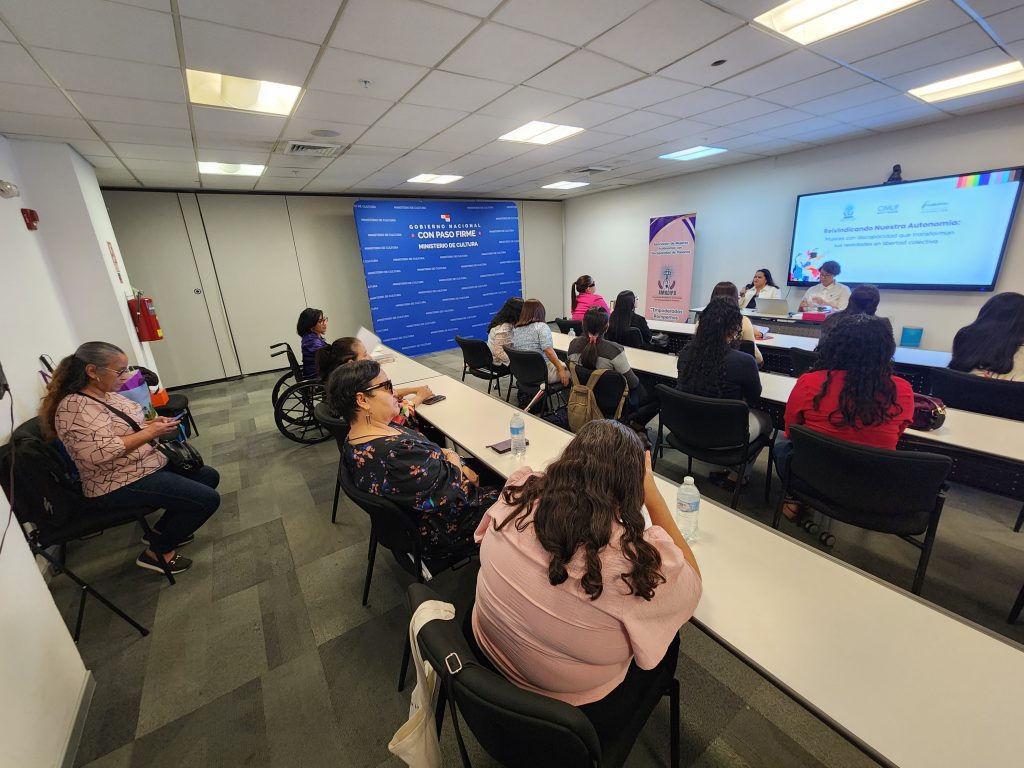
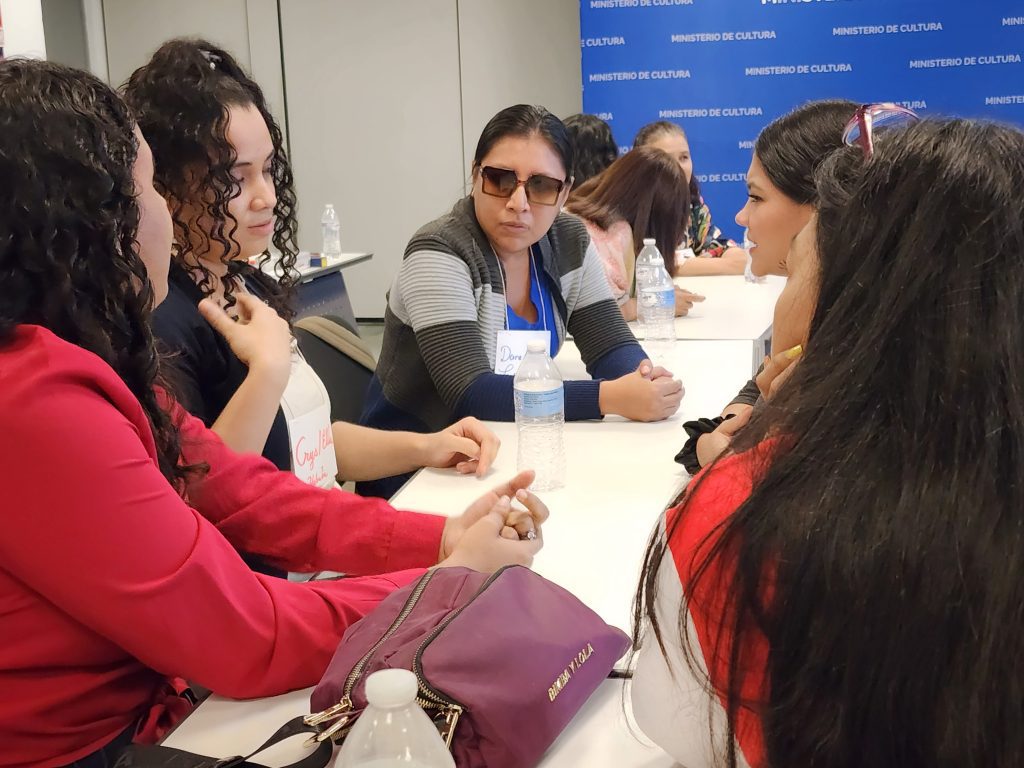
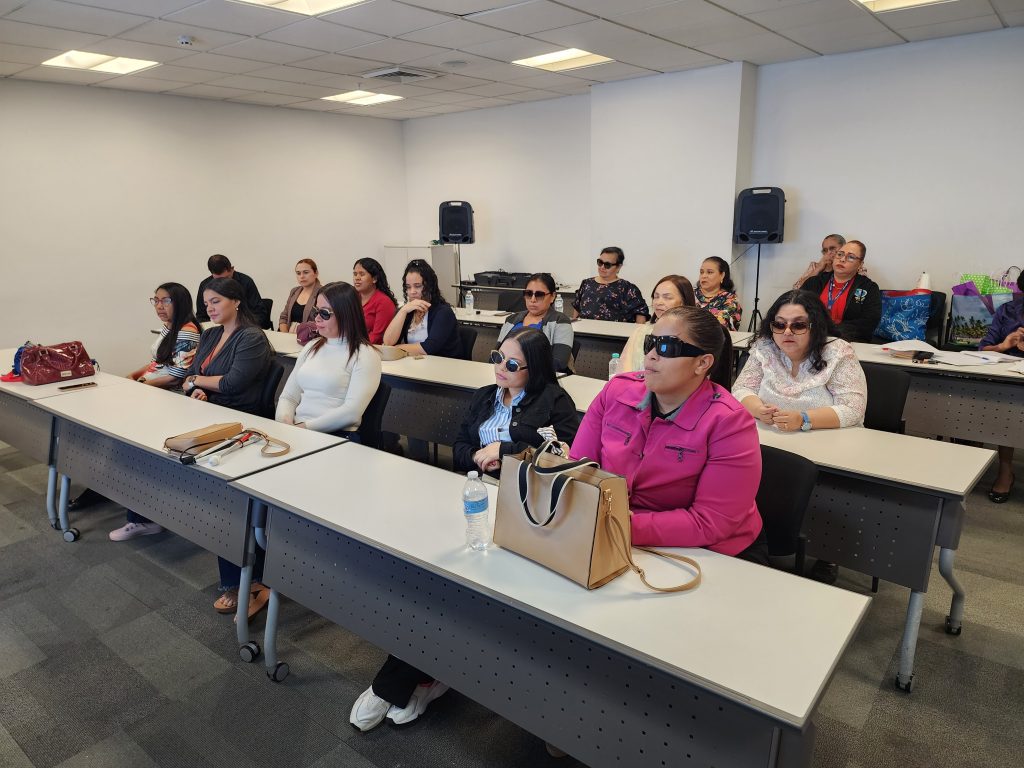
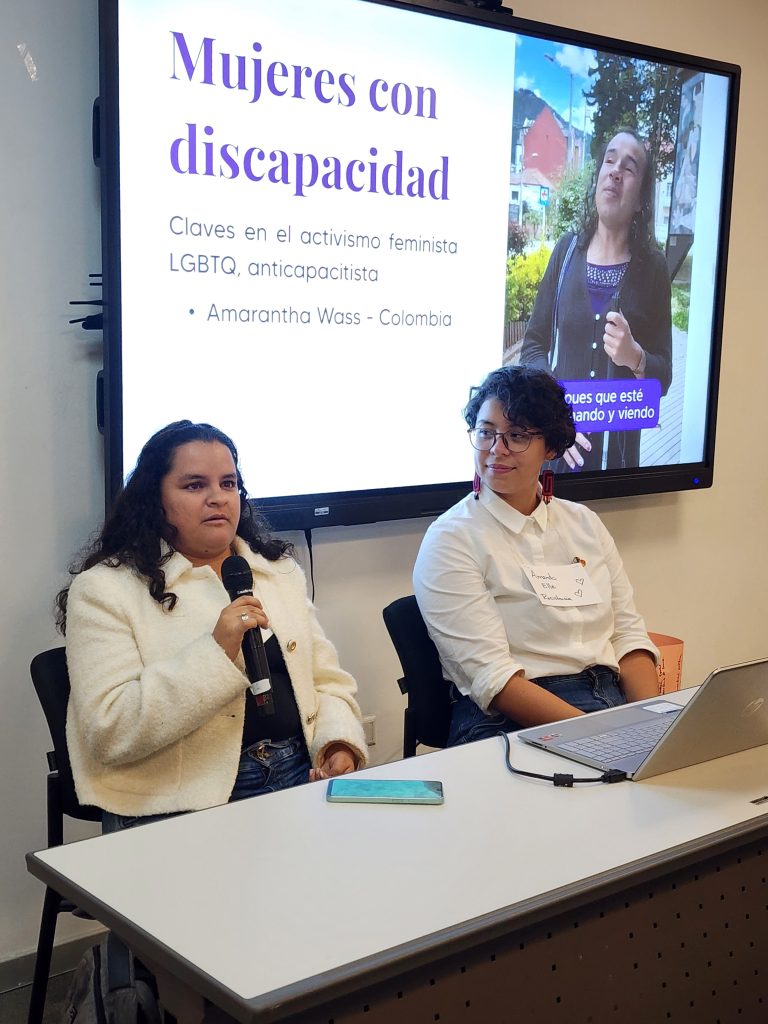
Workshop: “Feminisms in History”
This workshop was led by AMADIPA in partnership with CIMUF, a Panamanian organization and fellow FCAM partner that advocates for the human rights of people of diverse sexual and gender identities, particularly women, by making their social engagement more visible and fostering their leadership through an intersectional lens.
“Since there have always been attempts to erase us or keep us hidden, we, together with CIMUF, wanted to share the stories of people who are making a difference in the world, whether at the institutional level or within their own communities. We spoke about Ammarantha Wass, a blind trans woman from Bogotá who is out in the streets organizing community kitchens and leading rallies. We also discussed Brenda Villalobos from Costa Rica, also a blind trans woman, whose work focuses more on the corporate sector, accessibility advocacy, and film,” remarked one of the participants.
The participants learned about different ways of exercising influence and reflected on the “Privilege Scale” exercise. As Estefanía recalls: “The aim of this activity is to show how often we have experienced discrimination without realizing it, or, conversely, how often we have occupied a position of privilege without recognizing it either. In the end, it shows that no two people ever stand on exactly the same level.”
Another activity, one that proved especially transformative and powerful, focused on dance. Nicole recounts her experience with Dayán, a woman who could barely walk and who was initially terrified of trusting others, but who ultimately ended up dancing:
I was standing next to Dayán, and we were dancing, but she didn’t want to get up. ‘Let’s dance,’ I told her, and she replied, ‘I’m scared; I’m going to fall.’ ‘You won’t fall,’ I answered. ‘I’ll help you, and you’re going to dance. You can lean on your walker, and I’ll stand right behind you.’ ‘Are you sure? I’m afraid.’ I stood behind her, held her by the waist, and she started to dance until she finally said, ‘Let go of me.’ I stepped back, and leaning on the walker, that woman dropped all the way down to the floor and started dancing and clapping. That really moved me, because I barely knew Dayán at the time, yet she felt safe and comfortable enough to do it. I think I cried that day.
The Wellness Circle
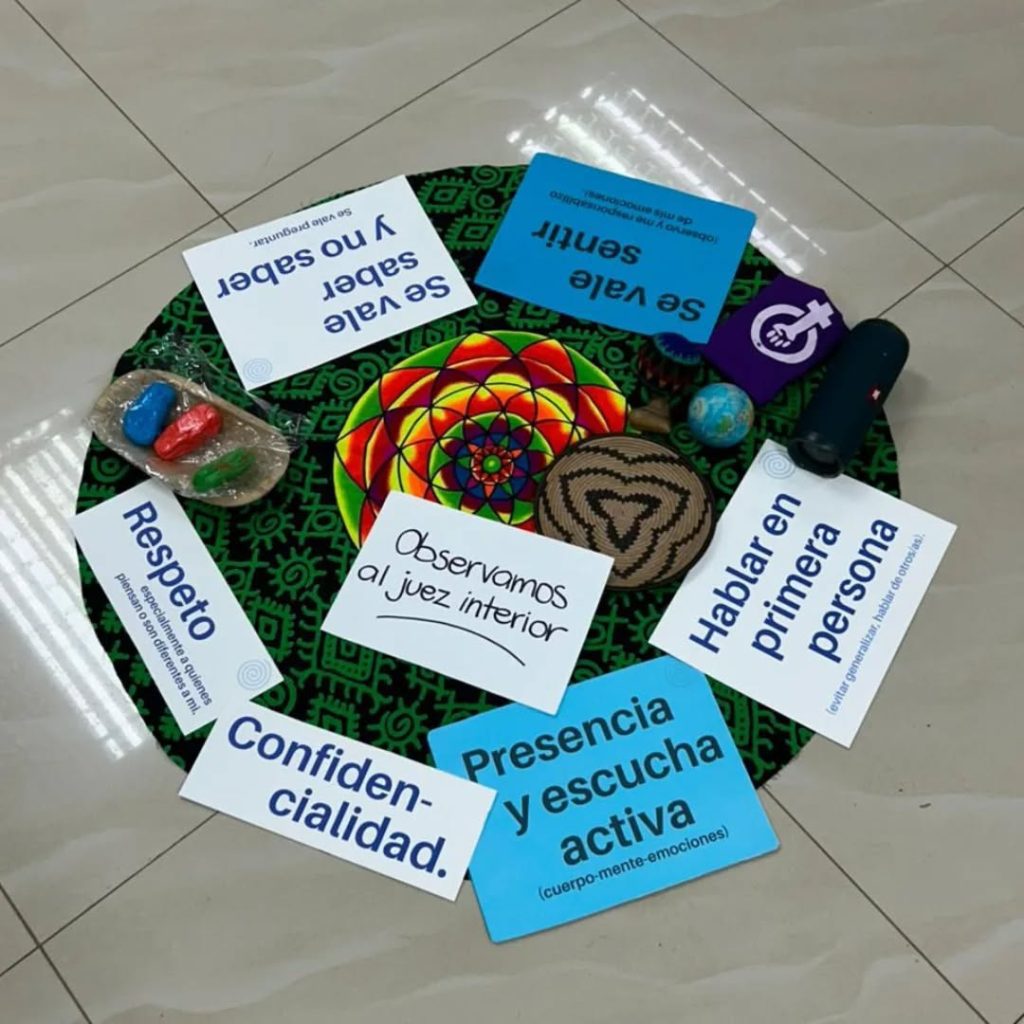
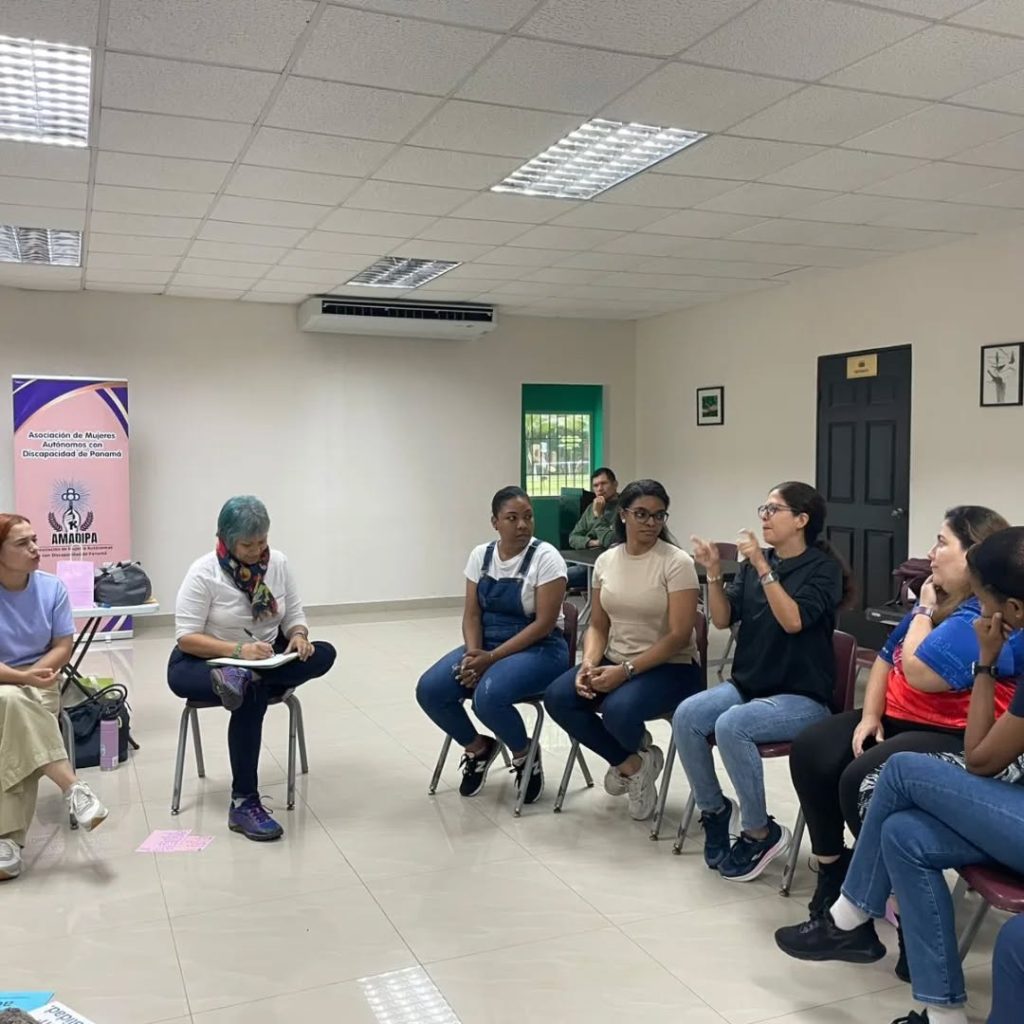
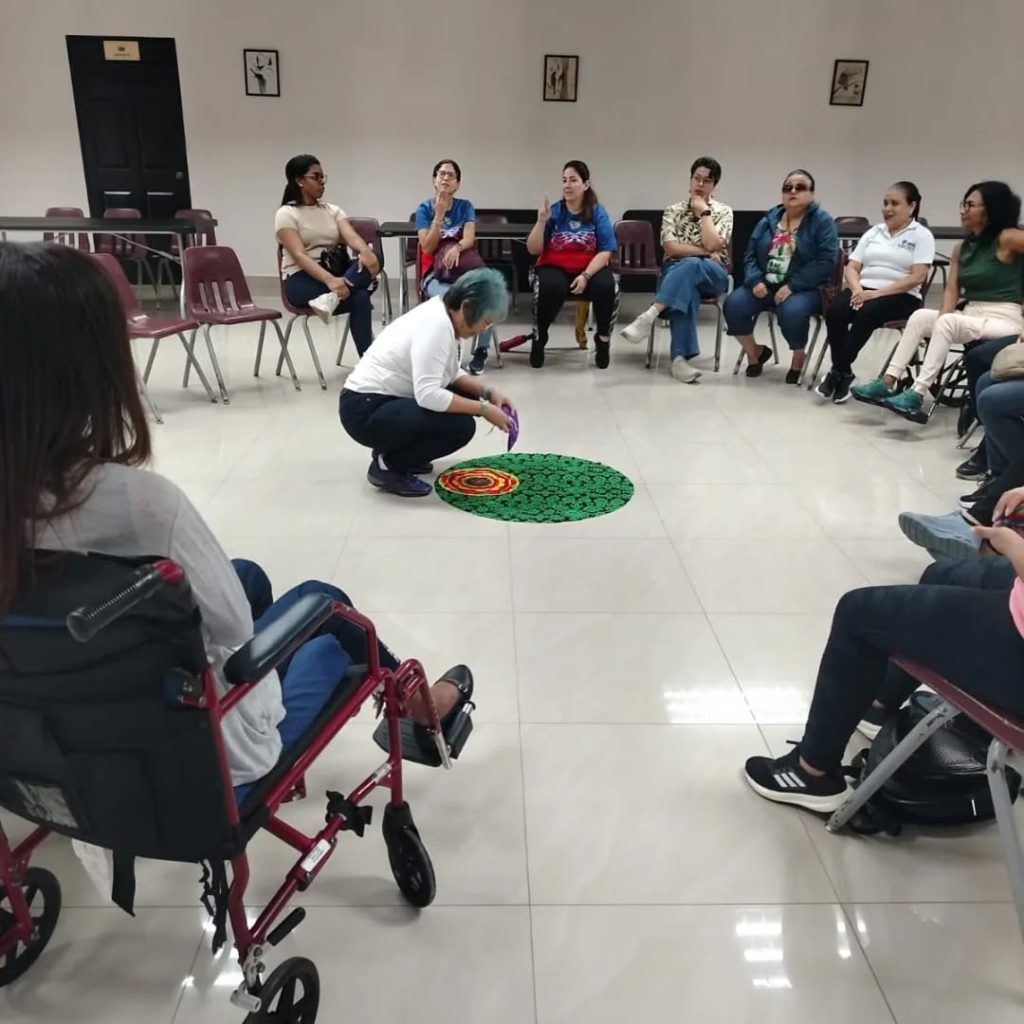
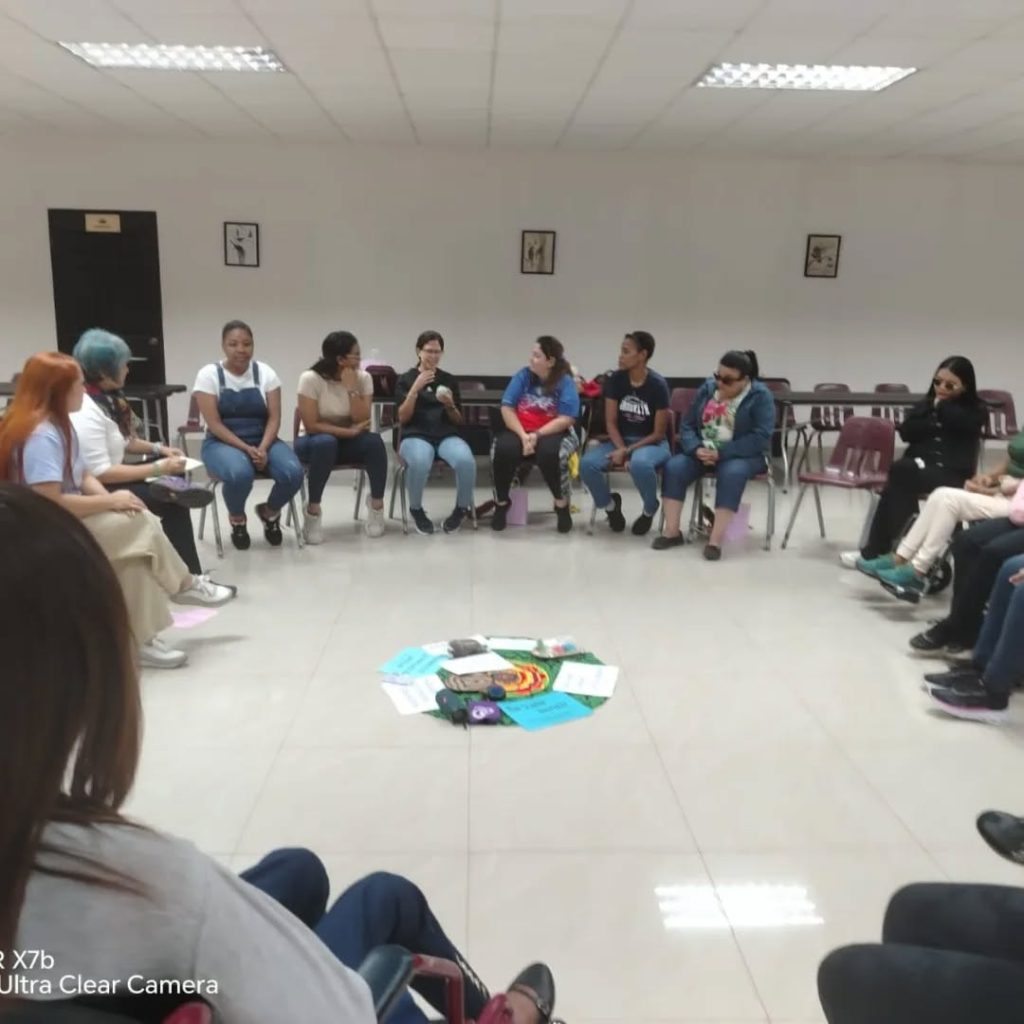
Another of their achievements is the Wellness Circle, a space for collective self-care that transforms an individual practice into a sustained political act. “We incorporated self-care not as a luxury, but as a tool for continuing to build our self-confidence, so that we could feel safer, more united, and more capable of participating in every sphere of society,” Esther explains.
“It was a beautiful experience. Our deaf peers were able to participate fully because we had interpreters present. It was truly wonderful to see the interpreters convey exactly what the women wanted to say, their thoughts and comments, and I feel that, for them as well, being able to participate so actively in this circle was incredibly beneficial.”
Connecting with My Body
Due to social prejudices, traditional upbringing methods, and moral judgments regarding sexual and reproductive health, many women with disabilities have been denied their right to connect with their bodies, with pleasure, and with their own sexuality.
“My mother never taught me what a period was, what menstruation meant, or even about the body itself.” In this workshop, however, “I learned that, as a woman, you can experience sensations simply by exploring your own body.” “So, after the workshop, I actually did work up the courage to try it once—right here in my home, while I was alone. I found a comfortable spot where I felt at ease and began to explore my body—something I had truly never done before, not even at my age,” shares Yamileth.
This workshop proved to be deeply revealing; afterward, several women approached the members of AMADIPA to ask how they could go about seeing a gynecologist for the very first time. Taboos surrounding the subject were shattered through open discussion; the women even created banners affirming their rights to bodily autonomy and pleasure.
The atmosphere of trust and mutual respect, along with the fact that the facilitator was a woman with a physical disability, was something the participants valued highly. “She didn’t feel like an outsider, someone extractive who had come with some contrived topic or other; instead, she spoke from her own reality, from her own lived experience.”
The workshop also touched upon the subject of “inspiration porn.” “That’s where we learned to identify and name ‘inspiration porn’ that objectifies us—and [we learned] to distinguish the medical model, which views us as ‘sick,’ from the social model, which advocates for our rights,” says Estefanía.
This struck a chord. Several of the members were able to put a name to something they had often felt, yet for which they could never find the words to explain. “Many people have felt objectified at some point in their lives, but didn’t know what to call it—how to label that sensation.” Cristel, one of the workshop participants, declared: “We don’t want any more ‘misery porn.’”
By presenting people with disabilities as achieving exceptional feats or portraying them as perpetually positive, “inspiration porn” actually serves to obscure the very real barriers that people with disabilities face. AMADIPA, conversely, seeks to craft counter-narratives that highlight the collective effort required to dismantle the physical, occupational, and attitudinal barriers that constitute the true root causes of exclusion.
A Network That Sustains Itself and Grows
“We are a success story because FCAM placed its trust in a nascent, diverse, and radically political organization.” By 2026, AMADIPA aims to strengthen its website, deepen its alliances, and raise awareness around public policy. Its core values, struggle, unity, empowerment, autonomy, inclusion, and freedom, continue to guide every activity and decision. It has shown that true accessibility goes far beyond a physical ramp; it means dismantling the prejudices that have, for centuries, constrained the potential of women with disabilities.
“We have proven that it is possible to create spaces where it is okay both to know and not to know—spaces where we speak in the first person, and where the only true disability is that of a society that refuses to see us for who we really are: whole, autonomous, and free women.”
Photo gallery of the workshop organized jointly with the organization CIMUF: