Autonomies in Motion: Feminist and Territorial Voices for the Right to Decide in Central America
Table of Contents
- The Right to Decide: Diverse Realities, Common Threads
- Conditions for Freely Choosing Whether or Not to Become a Mother
- Obstacles to Guaranteeing the Right to Decide
- The State of the Right to Decide in Central America
Many years ago, I found myself in an obstetric emergency that nearly cost me my life. I had made the decision to become pregnant, but at my first checkup I realized that something was wrong; I began to feel pain and started bleeding, and the doctor discovered that I had an ectopic pregnancy. At that moment, she told me I needed emergency treatment. On the way to the hospital, I thought about all the women who, like me, were facing a similar situation, feeling all the pain and fear that I was feeling, terrified that I might die and leave my young son without a mother. I wondered how many women had the conditions and resources they needed to survive, to receive quality, empathetic, and humane medical care; how many could return home safe and healthy without fear of being deprived of their freedom for having had to end a pregnancy that was not viable and that put their lives at risk. Realizing that so many women cannot exercise that right was even more painful for me. (Rosa)
Rosa’s reflection at such a critical moment in her life brings into the conversation what women’s and feminist movements emphasize time and again: every woman and every person who can become pregnant should be able to freely choose whether or not to become a mother—that is, to exercise their right to decide. But what is the right to decide? What conditions are necessary to be able to choose whether or not to become a mother? What challenges stand in the way?
These questions cannot be answered from a single perspective or a single reality; it is essential to bring in diverse voices and identities in order to contextualize and add nuance to the analysis. To this end, FCAM Foundation invited five grantee partner organizations to engage in a collective reflection on the right to decide. The organizations are:
- Asociación Voces Nuestras (Costa Rica): They work to advance the right to communication, provide political education on human rights from feminist perspectives, and recover collective historical memory to defend territories, autonomies, dignified lives, and a healthy environment.
- Agrupación Social de Mujeres para el Desarrollo Integral, ASOMUJERDI (Guatemala): They defend the right to communication and the rights of girls, adolescents, young women, and women of the Maya K’iche’ people through their own media outlets, which serve as tools for education and political action.
- La Movimienta (Regional): They bring together women human rights defenders and collectives to advance reproductive justice, abortion rights, and chosen motherhood through litigation, cultural transformation, and accompaniment, so that no woman is criminalized for making decisions about her body.
- Beso Diverso (Costa Rica): They promote human rights through the politicization of pleasure, taking action against violence and discrimination based on gender identity or sexual orientation, and working from an intersectional approach and LesbiTransInterFeminist theory.
- Organization from El Salvador (its name is omitted for the group’s safety): They promote the rights of rural women through training, community organizing, leadership development, alternative economic initiatives, and actions to eliminate structural violence.
The Right to Decide: Diverse Realities, Common Threads
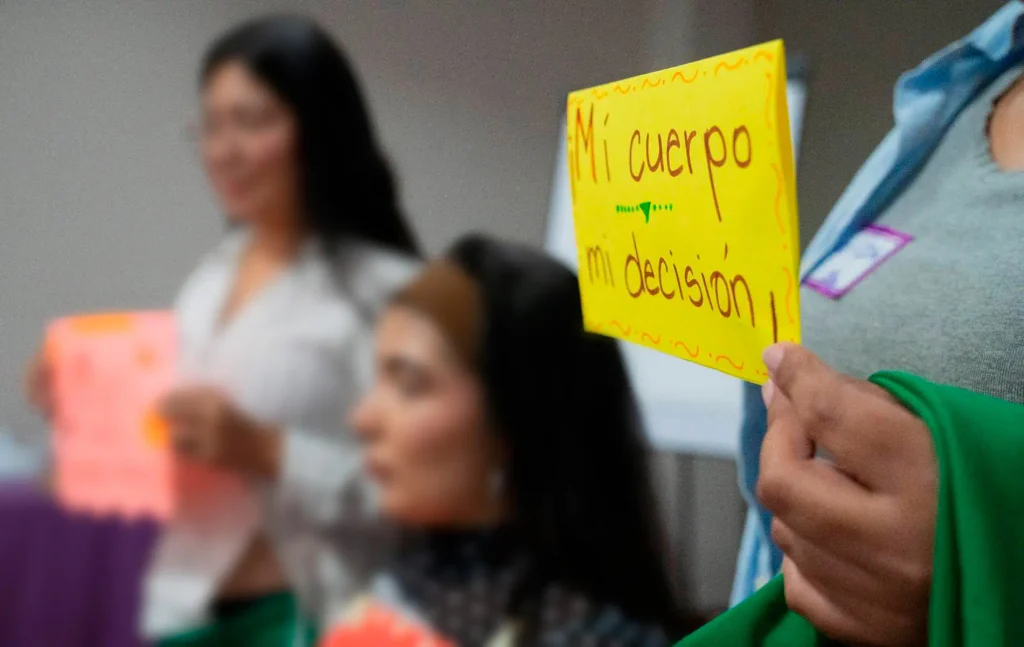
The right to decide, in its broadest sense, refers to autonomy over one’s own body, sexuality, reproduction, and life project, free from the impositions and control of states, religions, the market,[1] and patriarchy. For millions of women, nonbinary people who can become pregnant, and transmasculine people, the right to decide marks the difference between forced and chosen motherhood, between freedom and imprisonment, between life and death. Historically, this right has placed strong emphasis on claiming sexual and reproductive rights (including access to legal, safe, and free abortion and to contraception), but other feminist perspectives contextualize it within their particular struggles. Black feminisms, for example, emphasize that it is not enough to have the legal right not to become pregnant or to have an abortion; the right must also include the ability to have children (many racialized, poor, and Indigenous women have been forcibly sterilized), to raise them in dignified conditions, and to live in communities free from state, police, and racist violence.
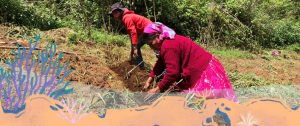
From the perspective of decolonial feminisms, the category “woman” is not homogeneous, and gender cannot be separated from race, class, and the colonial legacy. Community feminisms and the feminisms of Indigenous and ancestral peoples see women’s bodies as part of a communal fabric and as connected to Mother Earth, where “body and territory are intimately linked.” Therefore, defending the right to decide over our own bodies also means defending forests, land, rivers, and air, and resisting extractivism that dispossesses communities.
These perspectives, from the margins of the hegemonic, point to the need for profound transformation, in which the real ability to choose is impossible as long as racism, extreme poverty, territorial dispossession, colonial violence, and inequality persist, as the organizations that shared their reflections with us clearly express.
Asociación Voces Nuestras understands the right to decide as a fundamental right to bodily autonomy and sovereignty over our bodies and lives: For us, the body is the first territory we defend. If we want to defend our lives and our territories, we also need to care for, know, and defend our own bodies. That is why the right to decide is not limited to abortion. Abortion is one of the decisions encompassed by a much broader right: the right to build and live our own life project, where we can decide whether or not we want to have children, become mothers, adopt, love, express our identity, live our sexuality, and care for our health and our bodies.
Agrupación Social de Mujeres para el Desarrollo Integral (ASOMUJERDI) highlights how vulnerable this right is in the rural areas of the municipality of Nahualá and the Bocacosta region of Guatemala. They believe that “the State must guarantee a safe legal framework for every woman to make decisions about her own body and freely choose whether or not to become a mother, as well as choose the number of children she wants, without being forced. This right also allows us to protect our autonomy as feminist women in resistance.”
From Beso Diverso’s perspective, “this right is the possibility for all people to exist, be, express themselves, and live according to their own convictions and the self-determination of their bodies, experiencing it as a right over themselves. This includes the expression of their gender and sexuality, and deciding whether or not they wish to continue a pregnancy.”
The organization from El Salvador believes [This right] has to do with something very profound: being able to make decisions about our own lives and our own bodies without fear, without violence, and without other people deciding for us. From our experience with rural women, we know that people often talk about deciding as though we all started from the same conditions, but we do not. A woman can hardly feel free to decide if she is economically dependent on another person, if she experiences violence, if she does not have access to information, if health services are far away, or if she has been taught since childhood that her role is to obey, care for others, and put her own needs last.
La Movimienta sees this right “from a broad perspective that cuts across many aspects of our lives, such as territories, the autonomy of our ideas, and the autonomy of our bodies. At La Movimienta, we fight for abortion to be understood as a human right; girls, young women, women, and people who can become pregnant must have access to exercise this right, and states have an obligation to guarantee it.”
All these perspectives invite us to be open and empathetic, and to take into account the different realities, contexts, identities, living conditions, and particular needs of people who can become pregnant.
Conditions for Freely Choosing Whether or Not to Become a Mother
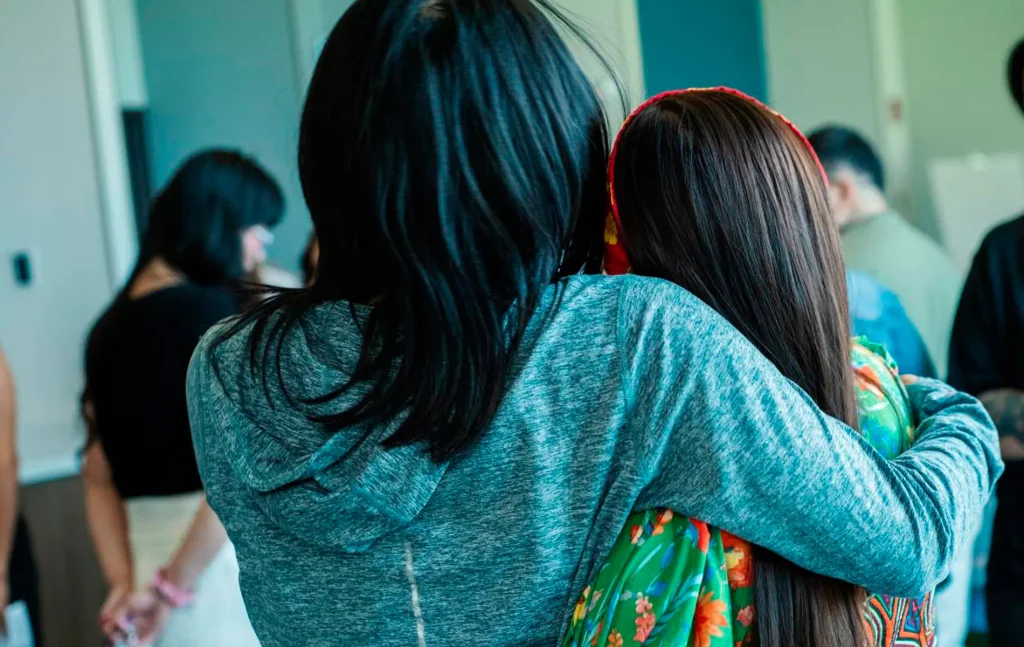
The full exercise of this right requires profound changes at the level of states, institutions, laws, and society. These include access to information and comprehensive sexuality education, as well as trained and sensitized health personnel and protocols that guarantee confidential, respectful, and discrimination-free services. For those who choose motherhood, structural conditions that enable genuine economic autonomy and shared responsibility for care are also essential.
We need material conditions so that motherhood can be a choice rather than an obligation imposed by poverty, violence, lack of opportunities, or the absence of support networks… No one should be forced to become a mother or forced to end a pregnancy. But freedom to decide does not exist if the options are not available. Asociación Voces Nuestras
We cannot speak only about the right to choose to become a mother if, afterward, a woman has to face child-rearing alone, cannot find employment, does not have sufficient income, lacks care services, or bears all responsibility for her children herself. Motherhood should also be a decision that is accompanied and supported by the family, the community, and the State. Organization from El Salvador
These reflections begin from a shared conviction: motherhood is a personal choice and never a social obligation, so choosing not to become a mother should never be grounds for stigma, rejection, or punishment.
Obstacles to Guaranteeing the Right to Decide
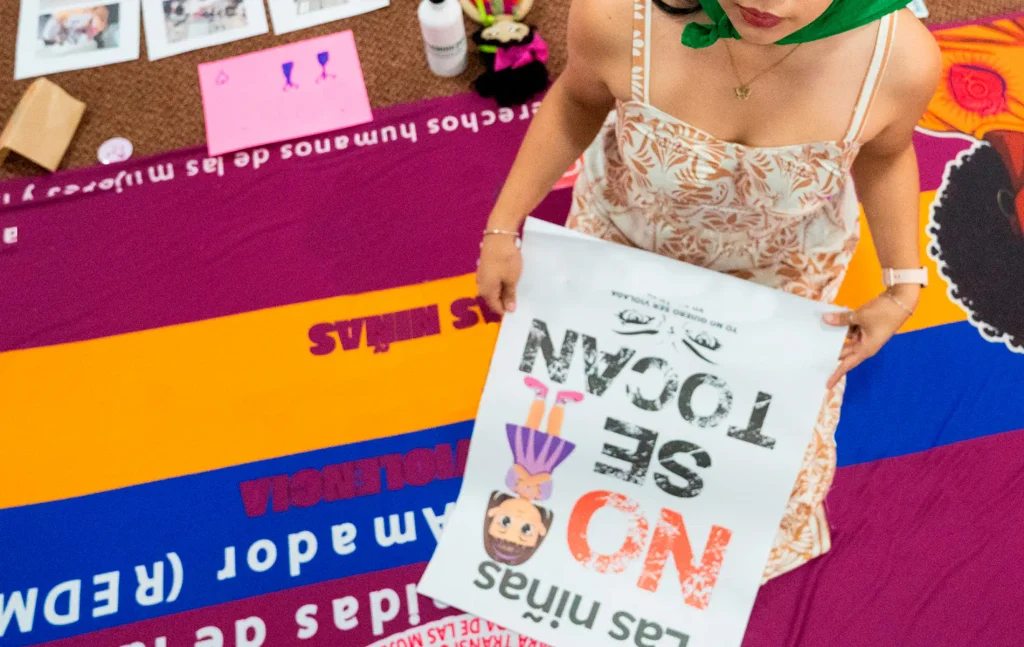
The main, though not the only, obstacle to exercising the right to decide in Central America is legislative rollback that criminalizes it, eliminating long-standing legal grounds and increasing punishment for those who need to end a pregnancy and for health personnel who respond affirmatively to that need.
The partial or total criminalization of abortion also intersects with and affects other major challenges, such as lack of access to science-based sexuality education, increasing sexual violence and forced motherhood (including among girls and adolescents), the intensification of religious fundamentalism, racism and obstetric violence (especially against women from Indigenous and ancestral peoples, Black and migrant women, as well as trans men and nonbinary people), social stigma, and misinformation, which the organizations identify as a major obstacle.
Many people do not know how their own bodies work, how to prevent pregnancy, what contraceptive options exist, or what each option entails. And when it comes to abortion, myths, fears, and false information can put lives at risk. Asociación Voces Nuestras
That is why it is so important to continue reaching people through communication, raising awareness among communities, local authorities, and different religious groups in order to build understanding of the importance of women’s right to decide whether or not to become mothers. ASOMUJERDI
Misinformation is compounded by a lack of empathy, as Beso Diverso points out: “We also face a population that, because it does not experience this need with the same urgency, may hold a series of prejudices about freely choosing whether or not to become a mother.”
The organization from El Salvador analyzes these obstacles from the perspective of rural communities; however, much of what it raises also applies to other realities and identities:
One of the greatest challenges is the persistence of deeply rooted ideas about what it means to be a woman. From a young age, many girls grow up hearing that one day they must marry, have children, care for a family, and take on most household responsibilities. They are rarely asked what they themselves want to do with their own lives.
Economic inequalities compound this. For many rural women, having no income of their own means depending on a partner or family member, and that dependence can greatly limit their ability to make decisions about their bodies, their relationships, and their future.
And there is one reality we cannot leave out: violence against women also profoundly limits the ability to decide. A woman who experiences violence, control, or coercion within a relationship is not making decisions on equal terms.
The challenge is to build an activist community that also mobilizes in response to reproductive injustices… In recent years in Central America, we have seen the advance of conservative and anti-gender groups. There has also been democratic backsliding and the closing of civic space. There is no possibility of establishing dialogue with state institutions. Advocacy, as we knew it, no longer has a place… Our rights are used as bargaining chips, especially sexual and reproductive rights and, specifically, the right to abortion. La Movimienta
The State of the Right to Decide in Central America
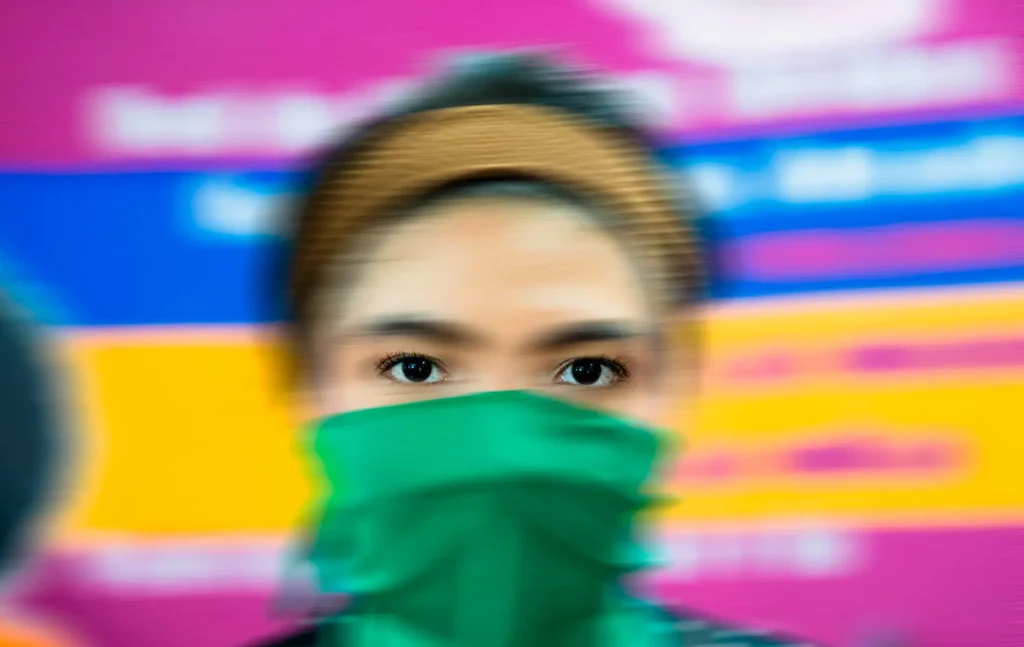
In Nicaragua, El Salvador, and Honduras, abortion is illegal under all circumstances, including when the pregnancy is the result of rape or incest, when there is fetal nonviability, or when the life and health of the woman or pregnant person are at risk. These three countries are among those with the most punitive abortion laws in the world.
Costa Rica, Panama, and Guatemala are countries with limited exceptions. In Costa Rica, therapeutic abortion is permitted when a person’s life or health is at risk and that risk cannot be avoided by other means. Even so, access continues to face bureaucratic barriers and conscientious objection by medical professionals.
In Panama, the Penal Code permits abortion under strict grounds: 1) therapeutic abortion, when the person’s life and health are at risk, with approval from a medical board; and 2) abortion on grounds of rape or incest, which must first be reported to the authorities. Nevertheless, the procedures and legal requirements are extremely complex.
In Guatemala, the Penal Code permits only therapeutic abortion, which must be diagnosed by physicians. Otherwise, both the pregnant person and the person who performs the abortion may be punished with imprisonment.
The freedom to decide over one’s own body is a right that has been completely taken away in some Central American countries and feels increasingly out of reach in others, with growing obstacles and restrictions. Yet the organizations that are part of the women’s and feminist movements in our region, and that tirelessly sustain the struggle for this right, have always been characterized by their refusal to give up. The more obstacles they face, the more creatively they re-emerge: adapting, transforming, reinventing themselves, and expanding the networks that connect and save the lives of girls, women, trans people, and nonbinary people.
[1]. The market turns women’s bodies—especially the bodies of racialized women and women in situations of social and economic vulnerability—into reproductive resources and objects of consumption. It turns pregnancy, care, affection, and sexuality into services that can be bought, rented, or sold. The global market has also historically rested on the belief that the work of sustaining life should be unpaid or poorly paid, falling primarily on the bodies of migrant and racialized women.