AMIR: Land, Healing, and Lenca Sovereignty
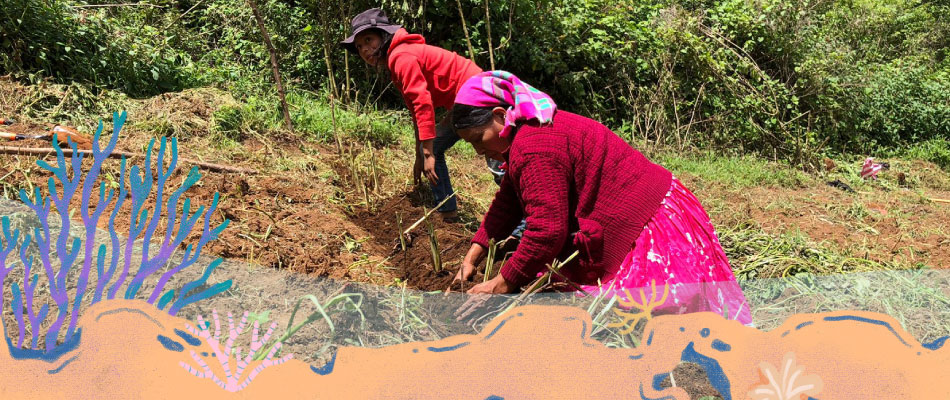
Table of Contents
- Resistance, Persistence, and Vision Across 46 Years
- A Network That Sustains and Transforms
- The Power of Collective Plots and Lenca Beekeeping
- A Year of Emotional Healing and Climate Technology
- 1. Self-Care as a Political Strategy
- 2. Innovation in the Face of the Climate Crisis
- A Future Rooted in Permanence
- Photo gallery of activities throughout 2025:
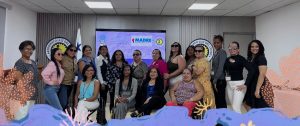
In the mountains of Intibucá, autonomy takes shape in the many lives and voices of Lenca women. Through Asociación de Mujeres Intibucanas Renovadas (AMIR), Lenca women have transformed collective land ownership into spaces of autonomy, sustainability, and empowerment, where every harvest is also an act of political participation. They are cultivating more than food: they are growing dignity and well-being, showing that when women in Intibucá organize, the social fabric of the whole community grows stronger and the future truly becomes theirs.
Resistance, Persistence, and Vision Across 46 Years
Founded in 1980 in the municipality of Intibucá, in the department of Intibucá, Honduras, AMIR emerged in a context where women were excluded from decision-making, both within the family and in the community. They had no access to formal education, and land titles were granted exclusively to men. Faced with these forms of exclusion, a group of women from some of the most remote communities came together and sought allies to collectively confront this reality.
For 26 years, they worked tirelessly without outside funding, sustained only by their persistence, their own contributions, and an unwavering vision. In 2002, they faced one of their greatest challenges: an attempt by local leaders to dismantle the organization, accusing them of “trying to take power away from men.”
But instead of disappearing, they reinvented themselves. Their capacity to resist did not come from technical expertise, but from the deep bonds they built with one another. As Mercedes García, an AMIR member for more than 25 years and its project administrator since 2007, recalls: “In other women, we found friends who help us move forward; together, we can overcome the obstacles we face every day. That’s what has made us strong.”
Today, AMIR stands as a consolidated network of 650 women across 25 communities, with a level of transparency so strong that every cent approved by donors is openly accounted for in assemblies with its 32 grassroots groups.
A Network That Sustains and Transforms
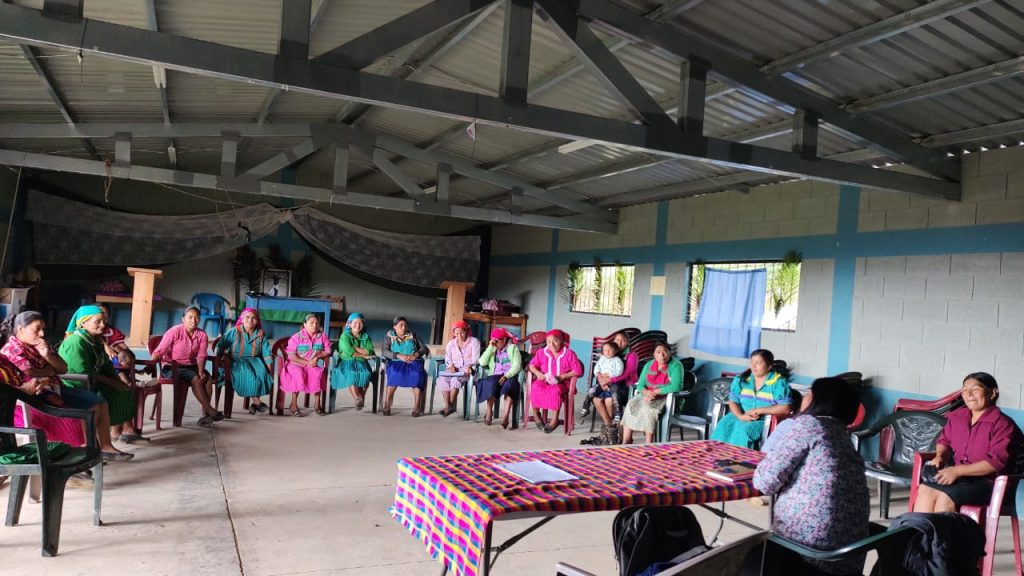
For Mercedes, AMIR’s strength lies not only in production, but in a communications structure designed for efficiency and transparency. With 650 women organized into 32 grassroots groups, the key has been a two-way system of governance: a general board works alongside the boards of each local group, supported by community facilitators and young volunteers. This structure allows information to flow in both directions, from the association to the grassroots level and back again, using digital tools such as WhatsApp to support day-to-day communication.
Autonomy is the foundation that allows each group to thrive on its own terms. AMIR does not impose specific economic activities; instead, it encourages each group to organize according to its own needs, requiring only a minimum participation of ten women to maintain cohesion. As Mercedes explains about accountability: “During these meetings, we share our reports—covering the budget and expenses—and then the groups report back on what they are doing… This contributes to transparency.”
This model ensures that every group, no matter how remote its community, knows exactly how resources are being used and what impact other women in the network are creating. Ultimately, the network is sustained by mutual trust and by an annual assembly where technical and financial reports strengthen the organization’s collective sovereignty. It is, in essence, a horizontal structure in which information itself nourishes collective leadership.
This empowerment has helped break long-standing cycles of exclusion. As Executive Director, Olga Pérez explains: “In the past, men were the priority; people used to say that women’s role was to care for their families. Today, thanks to our training programs, we women have learned that we are fully capable of holding leadership positions.”
The Power of Collective Plots and Lenca Beekeeping
Historically, land ownership has been a realm denied to women due to patriarchal cultural structures that prioritize male inheritance. This lack of autonomy not only limited their assets but also sabotaged their conservation efforts: many watched as their husbands destroyed months of agroecological restoration work in order to impose chemical-intensive monocultures, such as potatoes.
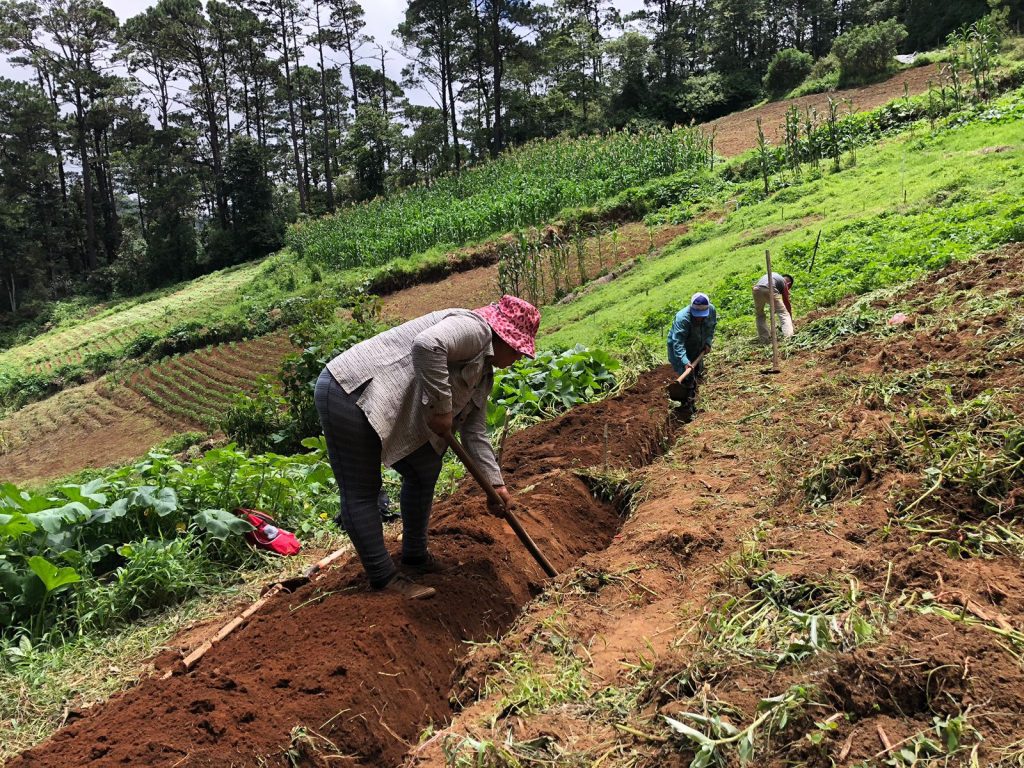
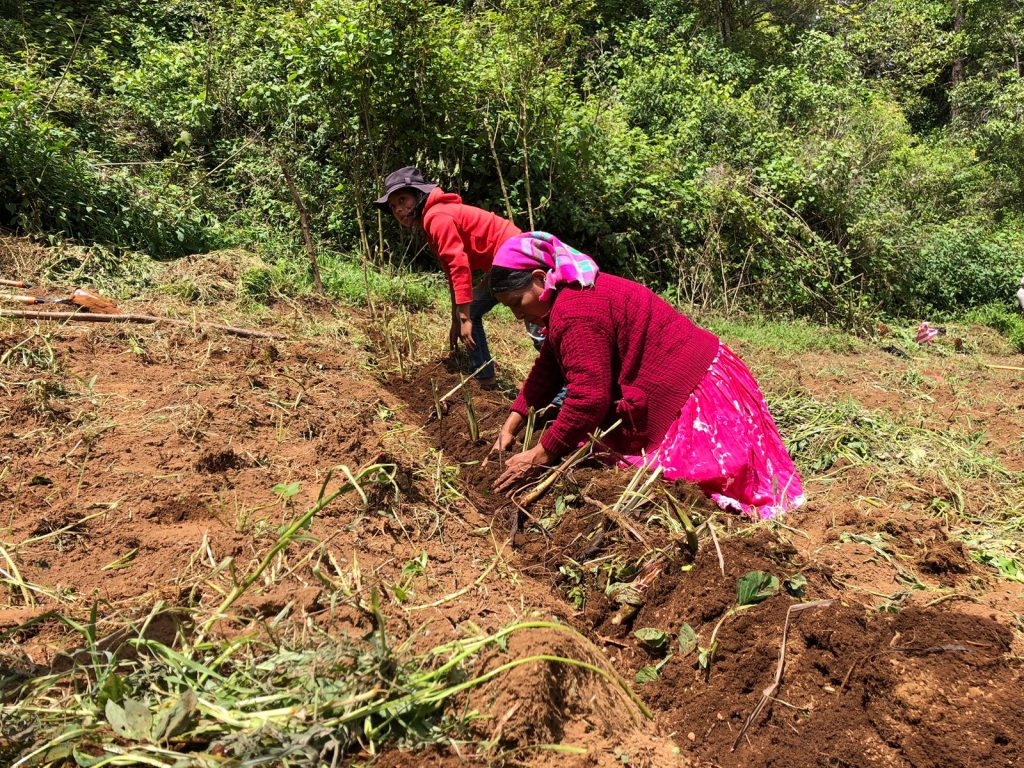
In the face of this reality, collective plots emerged as a strategy for resistance and community ownership. As Mercedes explains: “We began to see the need to have something that belonged exclusively to the women… something that was truly the organization’s own,” thereby finally enabling them to decide what to plant and how to care for their environment without external interference.
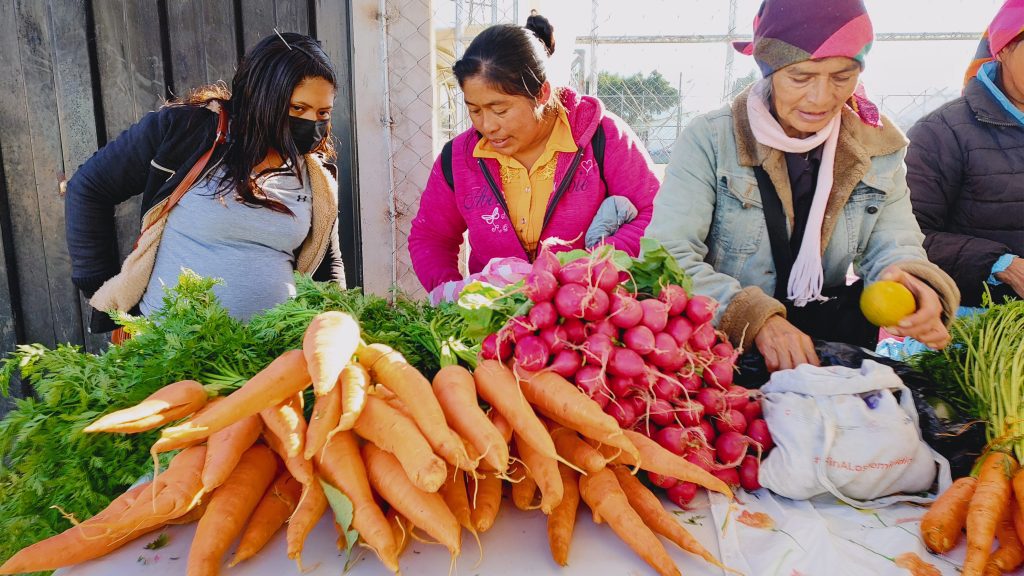
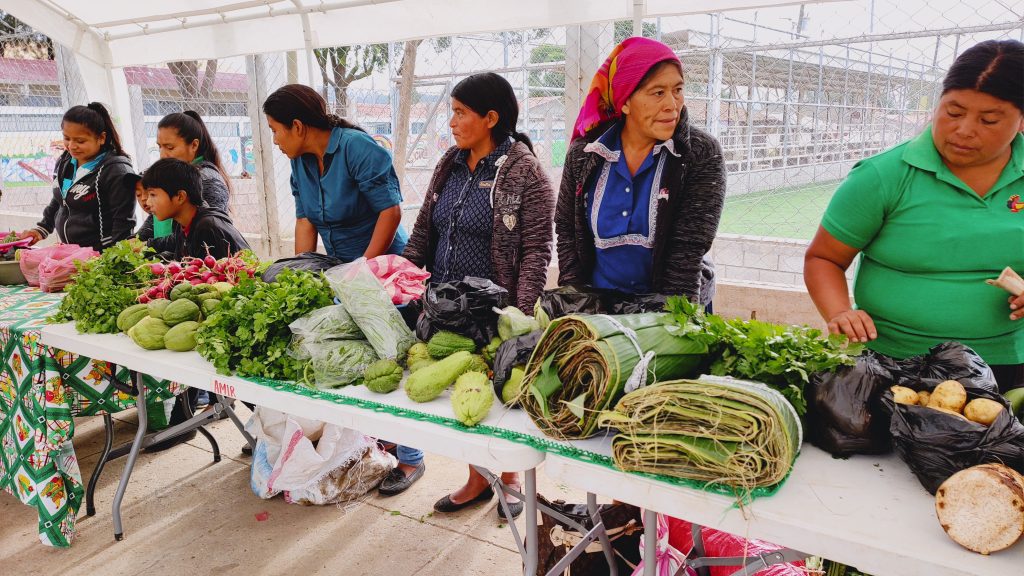
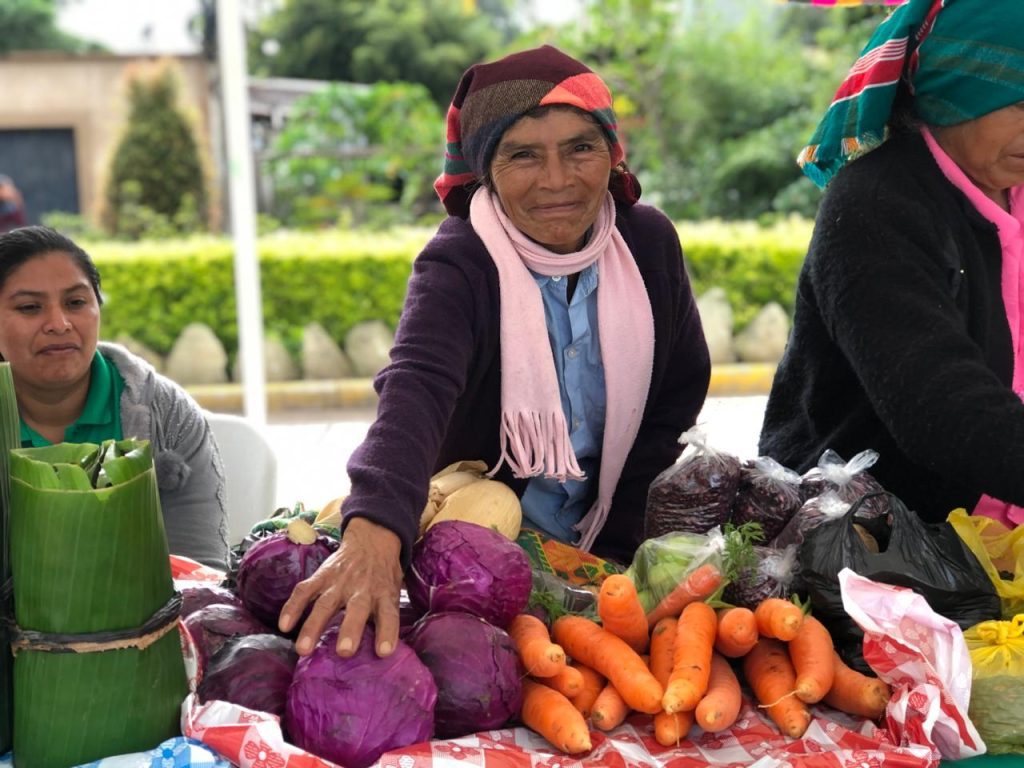
These women’s strategy does not stop at cultivation; they have successfully integrated the entire value chain through a productive ecosystem that encompasses beekeeping and their own brand, Siguatas Lencas. By processing products such as honey and beans, the women cease to be victims of the prices dictated by the raw commodities market. Mercedes highlights the importance of this control: “With a processed product, we actually have control over the price… this allows us to generate higher profits and ensures that the women receive a fair price for their work.” Thus, what began as a space for cultivation has transformed into a product innovation hub with its own distinct legal and commercial identity. The recent foray into beekeeping at an altitude of over 1,700 meters is not merely an economic decision, but a deep connection to the indigenous worldview and the defense of the land. Carmen Paguada (technical team) notes that this sector has served as a shield against agrochemicals, as eliminating poisons from crops is vital to protect the bees.
This new path “connects with the women’s worldview because it involves reforesting water recharge zones and water sources… they feel it is a pursuit in which they are applying their ancestral knowledge.” It is a form of agriculture that respects life and restores natural balance.
The beekeeping project transcends the material realm to become a symbol of social structure. AMIR sees in the beehive a mirror of its own struggle for unity. The work of each woman intertwines with that of the others, creating a support network as solid as a honeycomb. In the words of Mercedes, the most valuable message is the one that comes from their new pollinating allies: “The message that comes from the bees is also one of unity, of organization… everyone does their part, and in the end, they yield a product. From that perspective, we view it as something that is truly our own.”
A Year of Emotional Healing and Climate Technology
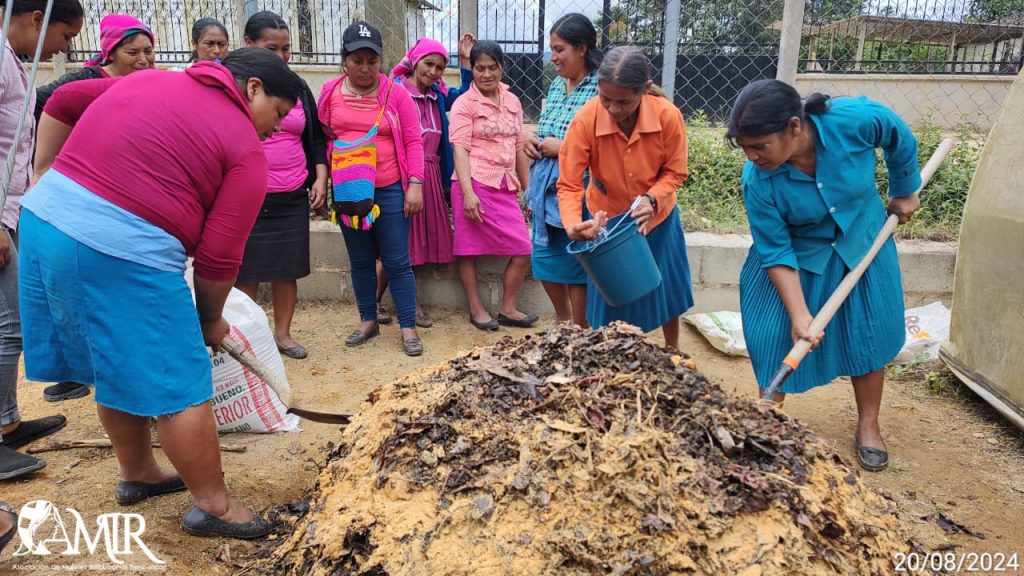
In the face of climate change and the pressures of monoculture, AMIR made the protection of both production and women’s well-being central to its 2025 strategy. With FCAM’s support, the organization focused on two key areas that are often overlooked by traditional development models, yet essential to territorial resilience:
1. Self-Care as a Political Strategy
Grounded in the belief that there is no sustainability without well-being, AMIR incorporated healing practices and ancestral medicine to address physical exhaustion and the trauma caused by violence. The impact reached the very core of the organization: women who once felt emotionally numb are now leading their communities with renewed strength. As AMIR member Miriam García recalls, “I was a zombie… my body was present, but I have no idea where my spirit had wandered off to.” For AMIR, collective healing is what makes women’s leadership sustainable over time.
2. Innovation in the Face of the Climate Crisis
To confront the precarious conditions created by both the market and the climate crisis, several groups received key infrastructure:
- Dryers and silos: These tools help prevent crop losses caused by excess moisture and make it possible to store grains such as beans, corn, and coffee. This gives women greater economic sovereignty, allowing them to sell when prices are fair instead of being forced to sell under unfavorable market conditions.
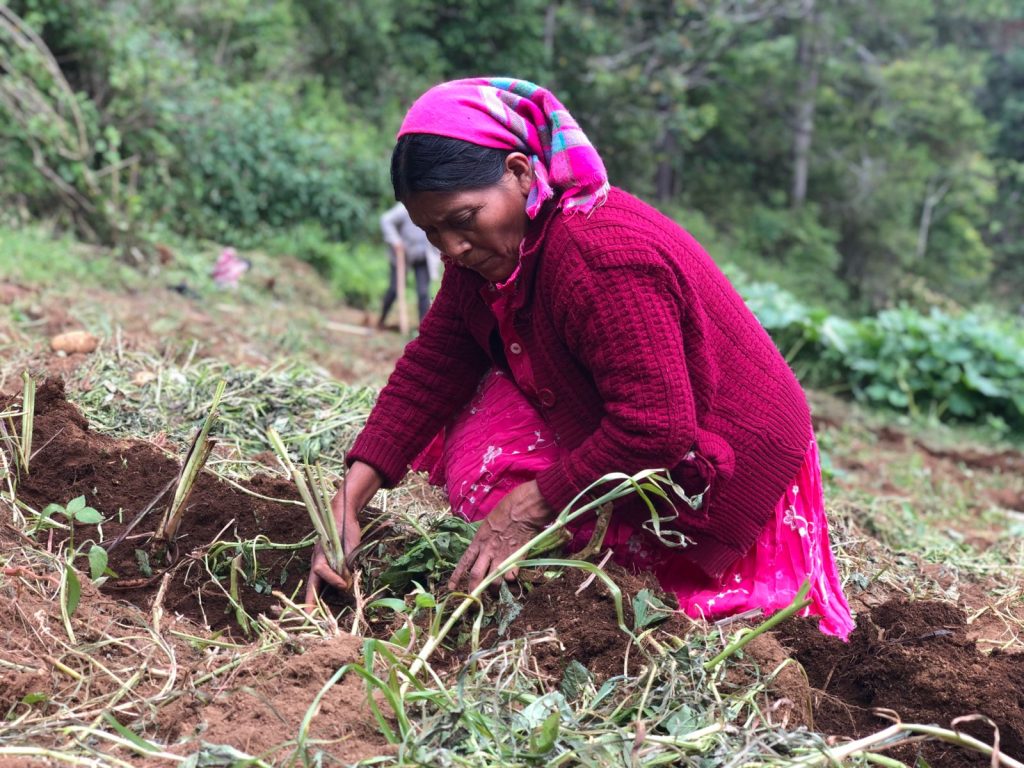
- Collective plots: In response to the historic exclusion of women from land inheritance, AMIR established three collective farming plots. In these spaces, agroecology is the guiding principle, protecting Indigenous seed varieties from chemical contamination.
This approach is a defense strategy rooted in the realities of the territory. As Carmen explains, “In this region, we face highly atypical conditions where indigenous seeds are, without exception, the only ones that survive… seeds brought in from the outside simply won’t grow here.” Guided by this same logic of adaptation, AMIR has succeeded in places where other models have failed. In 2025, this combination of climate innovation and emotional healing enabled the organization not only to protect its harvests, but also to strengthen the human fabric sustaining its collective work.
A Future Rooted in Permanence
As AMIR celebrates is 46th anniversary, it shows that its model is as resilient as the land its members inhabit. The organization has transformed fear into civic participation and exhaustion into collective healing. Its greatest legacy lies not only in full silos or jars of processed honey, but in the conviction that cultural identity is its greatest strength.
Mercedes puts it plainly: “We have insisted on viewing adversity as an opportunity, an opportunity to reclaim our traditional knowledge and to demonstrate to the world that our identity is not a limitation, but rather the very guarantee of the quality with which we carry out our work.” In the mountains of Intibucá, the future is no longer something to wait for. It is something sown collectively.
Photo gallery of activities throughout 2025: