CIRCULA: Reclaiming Power to Build the Common Good

Table of Contents
- Who makes up this political commitment?
- What they’re building
- In such a rapidly changing context, adaptation is essential
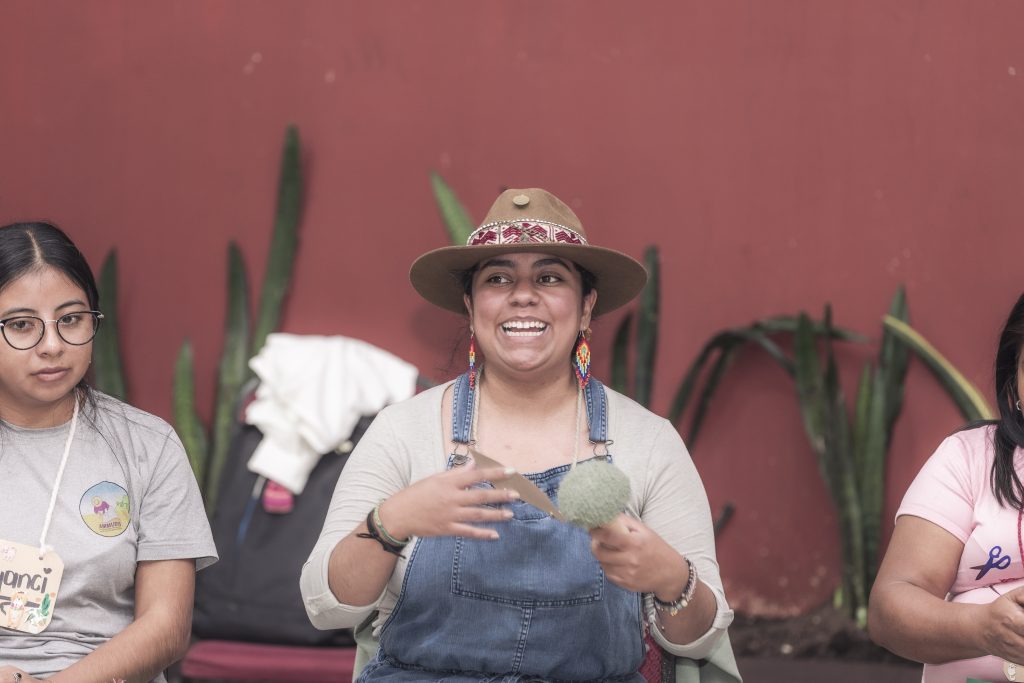
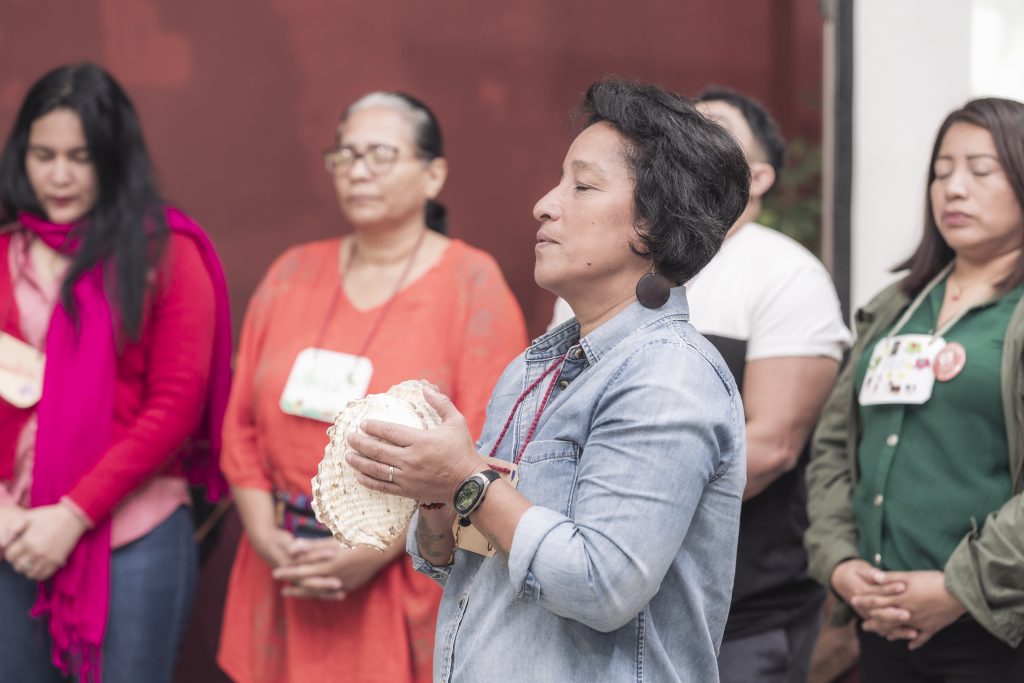
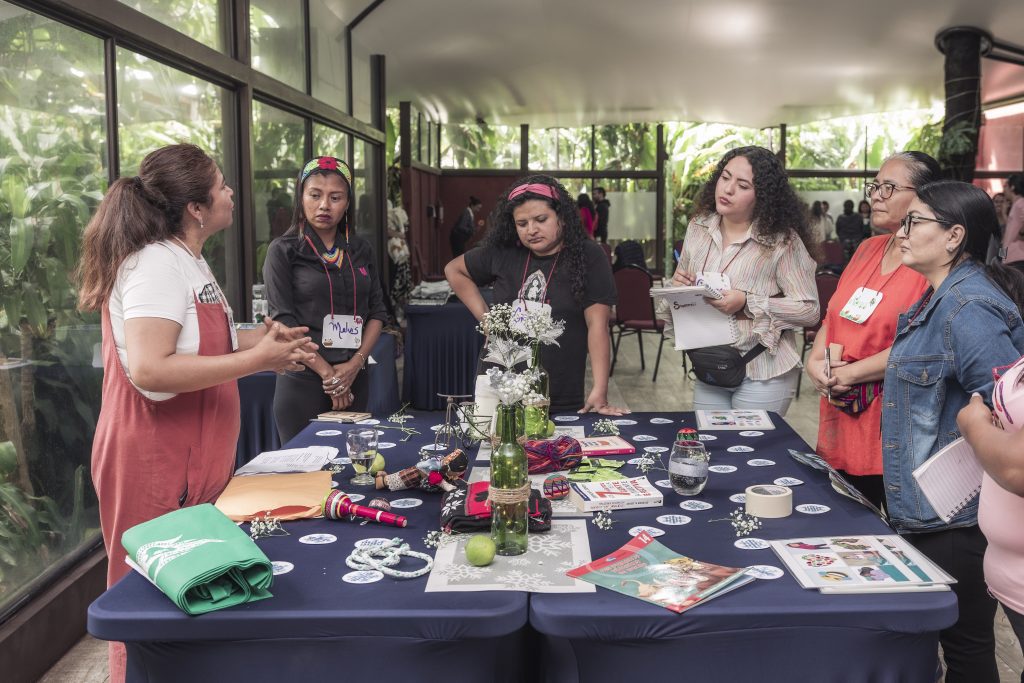
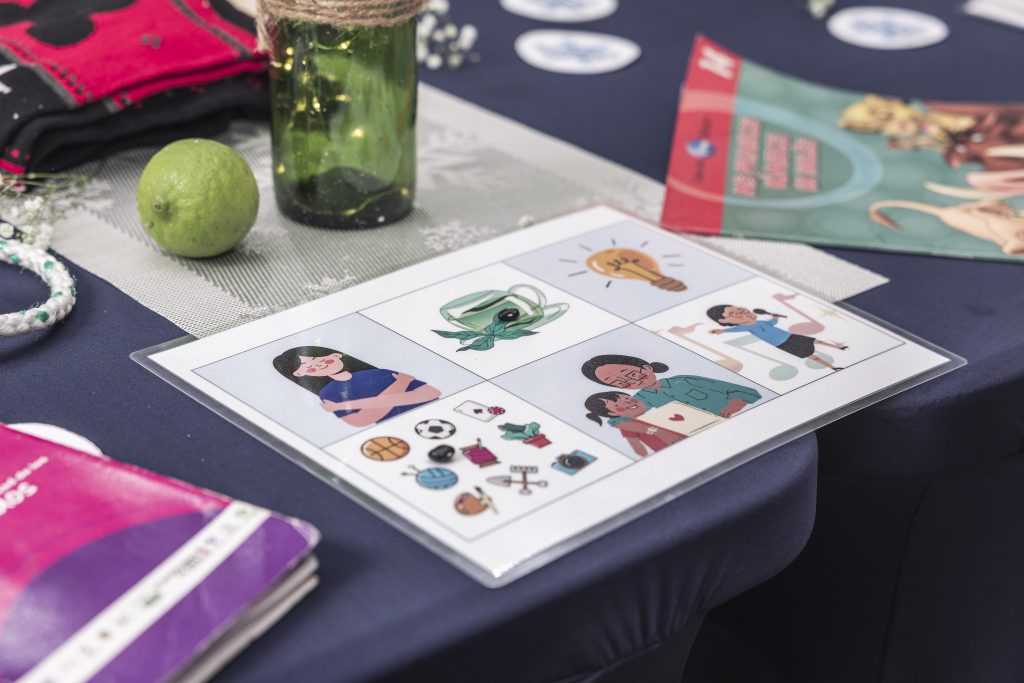
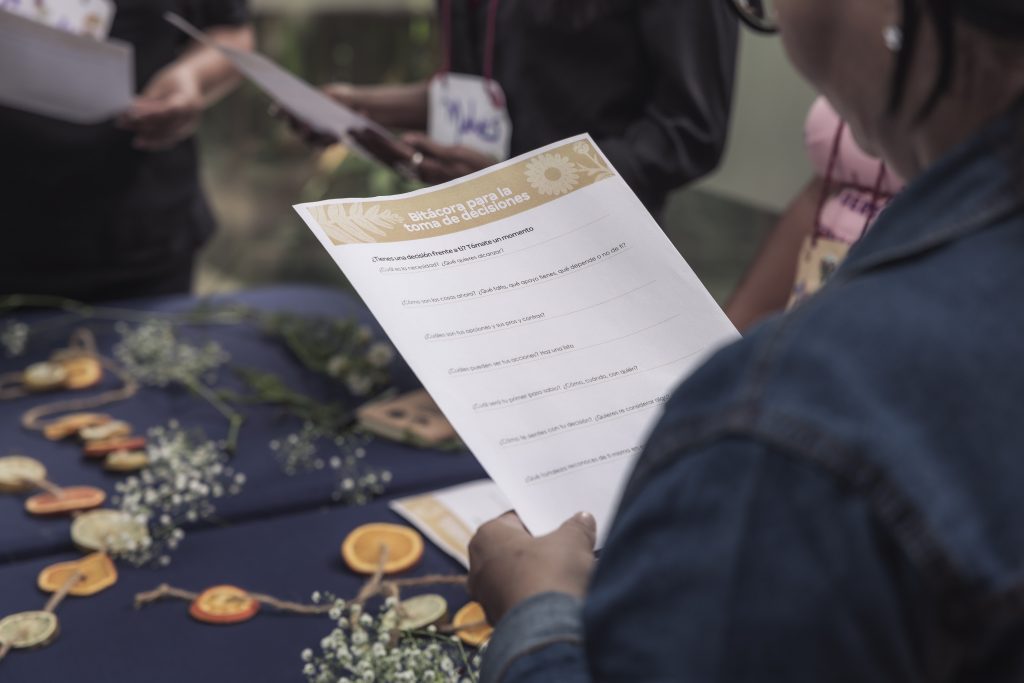
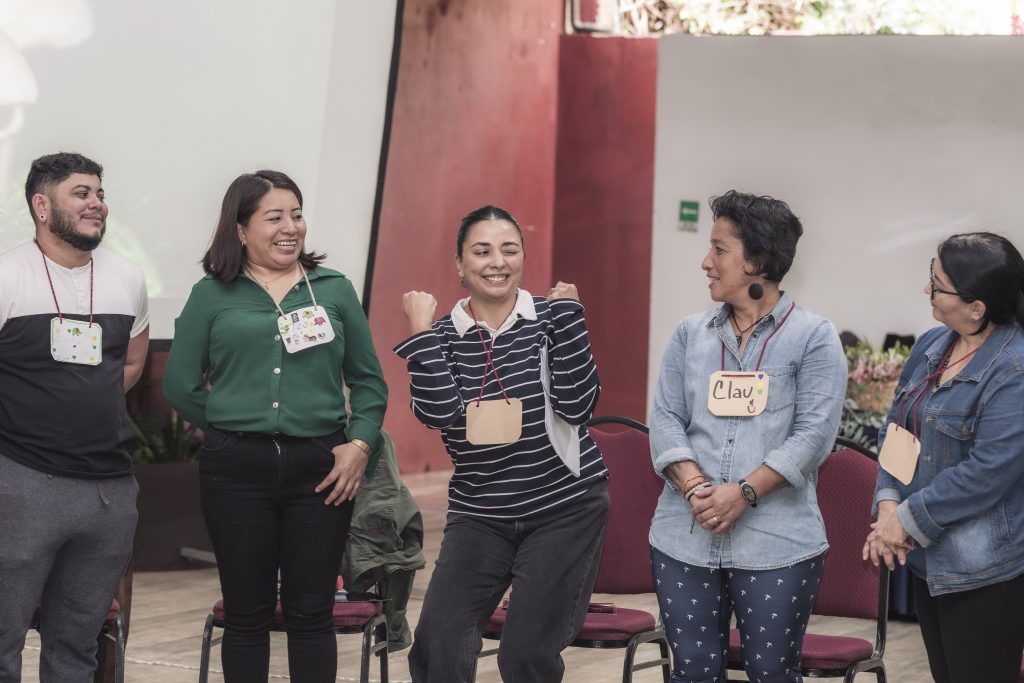
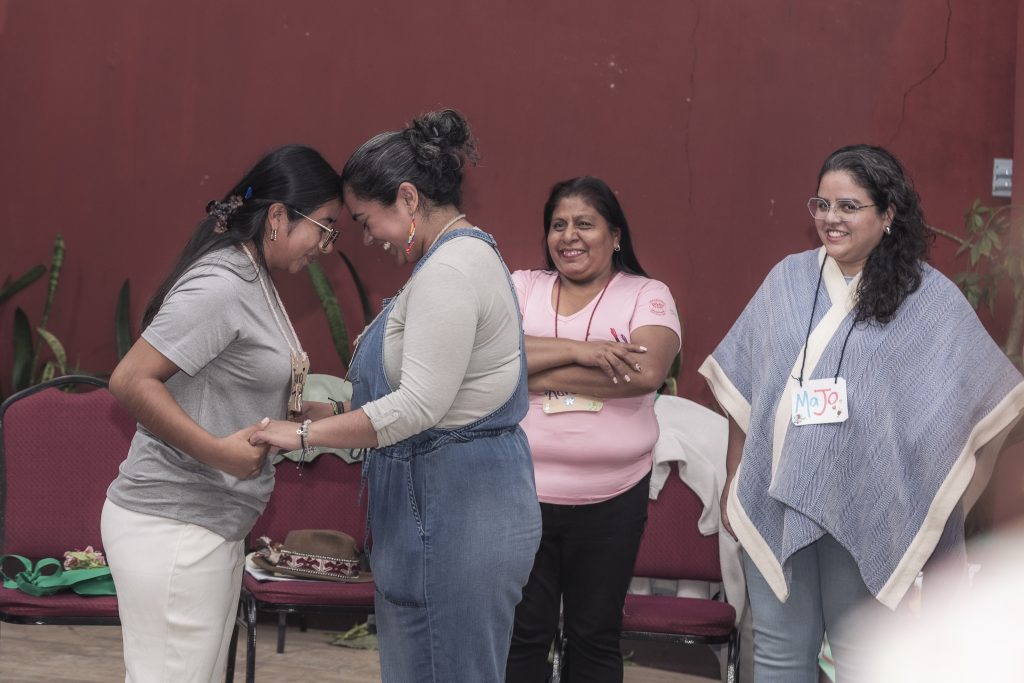
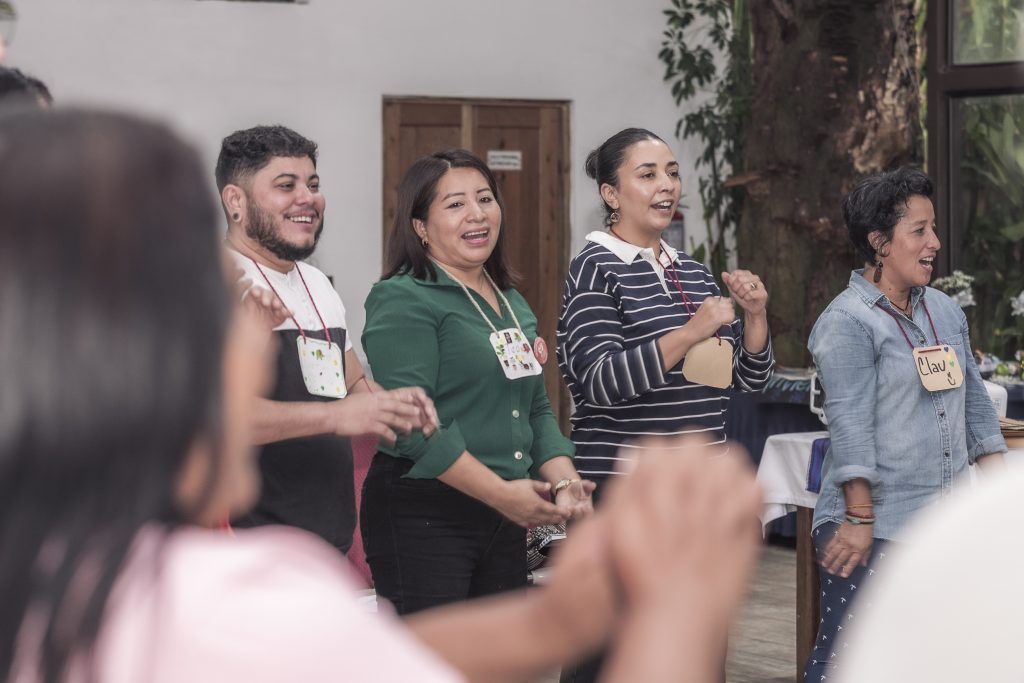
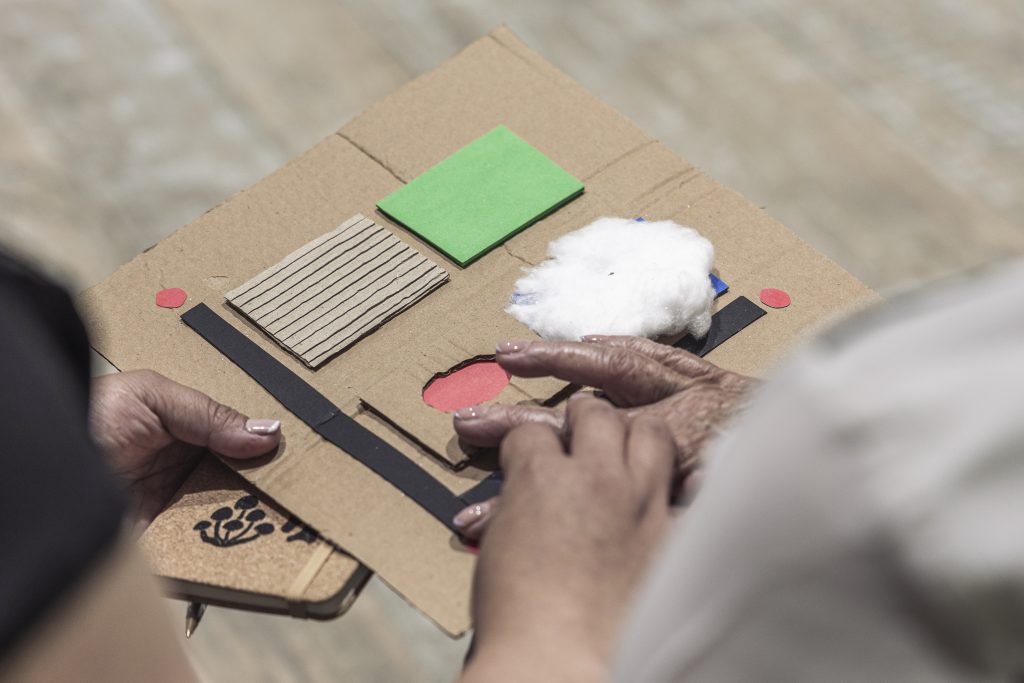
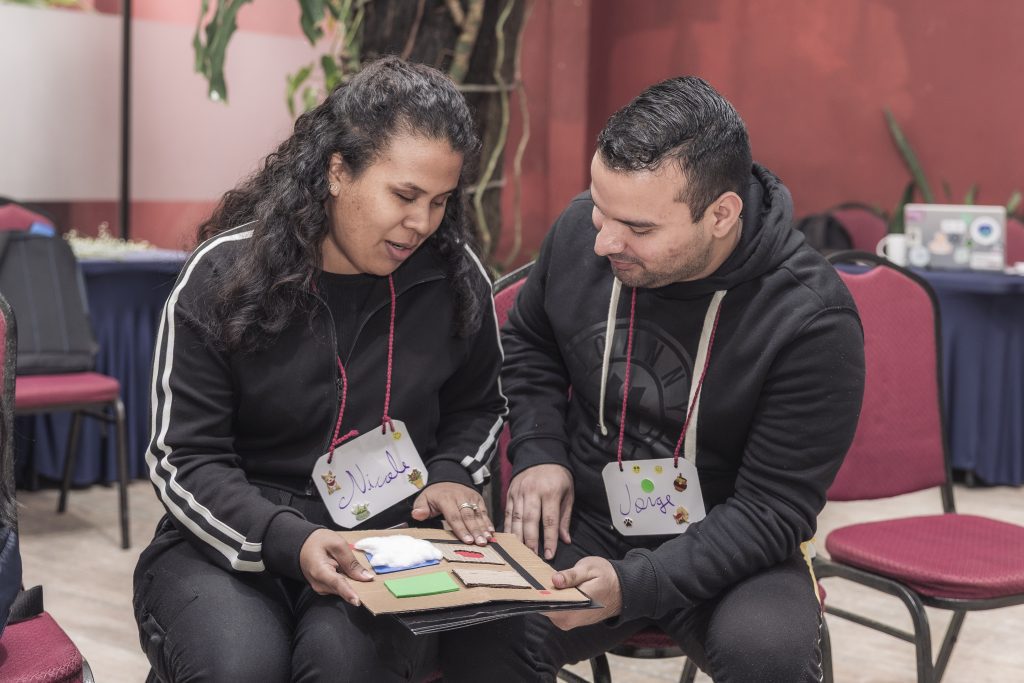
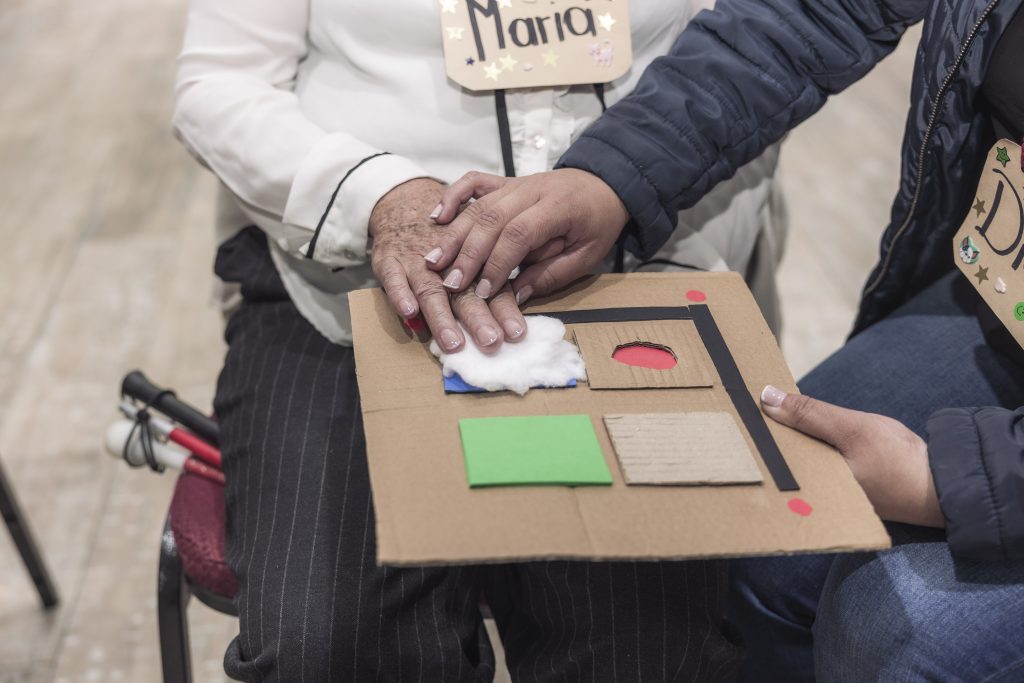
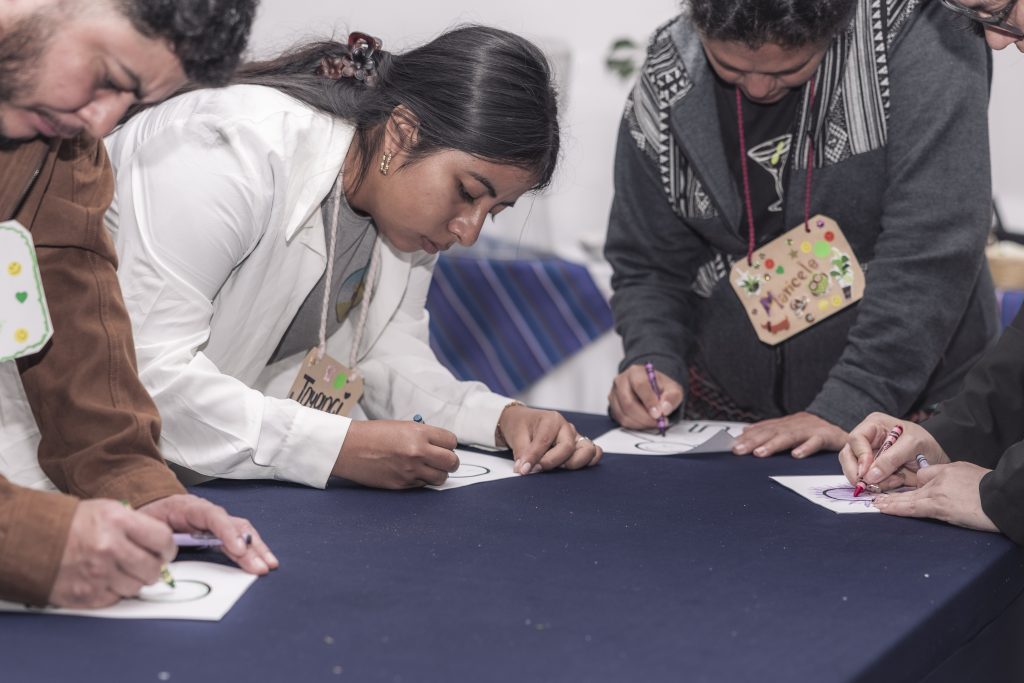
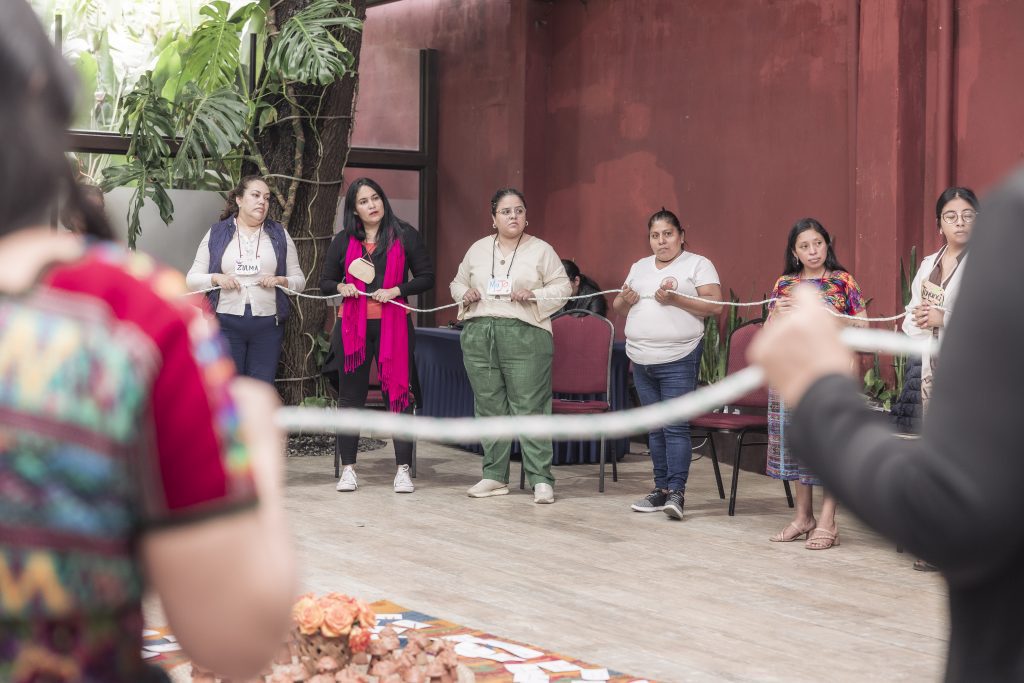
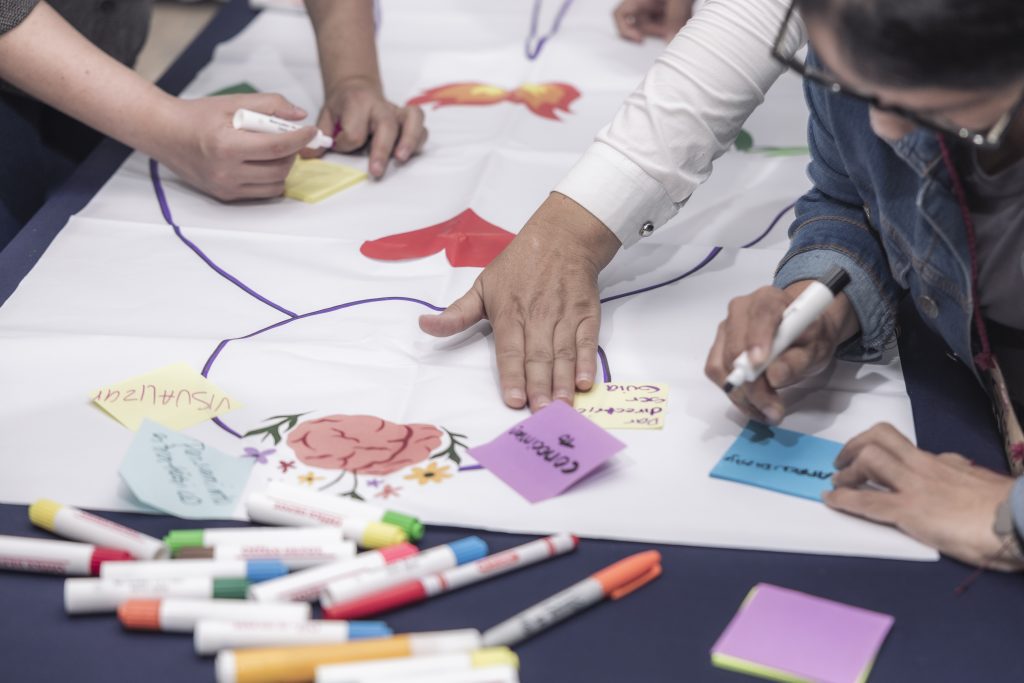
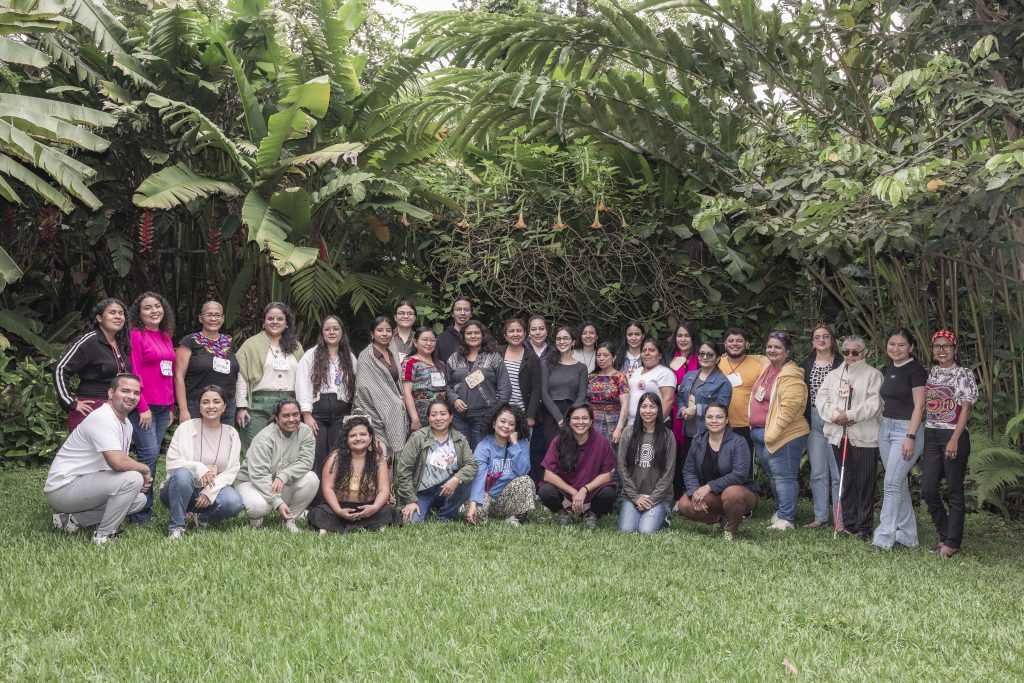
- Photo gallery of the leadership course aimed at FCAM partner organizations:
Fourteen years ago, speaking of leadership in Guatemala was, for the most part, synonymous with authoritarianism, with the vertical exercise of power, and with a notion of justice understood solely in terms of punishment. In that context, a group of grassroots leaders decided to break the mold. They came from territories ravaged by violence, from organizations fractured from within, and from a country that has historically denied the dignity of many of the voices that inhabit it. From this shared experience, CIRCULA was born—not as just another NGO, but as a political commitment to transforming the way power is exercised.
From the outset, CIRCULA understood something that the State, elites, and many spaces for cooperation have refused to acknowledge: social transformation is impossible if leaders reproduce the very violence they claim to combat. At a time when restorative justice was not yet part of the common parlance in Central America, CIRCULA was already embracing it as both an ethic and a strategy. It championed dialogue in a country shaped by silence, reparation in contexts marked by impunity, and circularity in deeply hierarchical societies.
Who makes up this political commitment?
Today, CIRCULA is made up of a committed team of eight people, mostly mestiza women from different regions, whose political work has extended throughout Guatemala and the Central American region. All are restorative practitioners, and all share a common conviction: peace is not decreed; it is built in everyday relationships and in the ways we choose to listen to one another.
CIRCULA’s commitment is clear and radical: to question how leadership and power are exercised, and to propose alternative ways of organizing that place life, dignity, and care at the center. In a country marked by multiple forms of violence—structural, historical, patriarchal, and racist—CIRCULA works to prevent harm, name it when it occurs, and foster reparative processes that restore the social fabric. Its political vision is a world in which all people are seen, heard, and recognized, not as a symbolic gesture, but as a daily practice.
“We get involved, we take an interest, and we design learning processes and spaces for dialogue based on people’s needs and from a critical perspective on the current political and social context,” they explain.
What they’re building
The results of this commitment are concrete and cumulative. Through its Restorative Justice Program, CIRCULA has developed its own curriculum for the Diploma in Restorative Justice, training leaders from across Central America, especially human rights defenders, land rights activists, educators, and key actors in the justice system. In a regional context where justice is often inaccessible or revictimizing, this diploma program has opened pathways for thinking about and practicing other forms of justice.
One of the most significant processes has been the support provided to women survivors of the internal armed conflict in San Cristóbal Verapaz and Santa Lucía Cotzumalguapa. Through restorative justice and historical memory, CIRCULA has helped these women find the language and spaces to reframe their experiences, recognize their history, and affirm their right to a justice system that does not revictimize them. In a country that still owes truth and reparations to its victims, this work is profoundly political.
For more than ten years, the Community and Organizational Leadership Program has trained over 300 leaders from grassroots, social, and community organizations through its Restorative Leadership diploma. This process does not seek to “train” from a position of technical superiority, but rather to unlearn vertical and violent styles of leadership and equip participants with concrete tools to transform organizations from within. Each person trained becomes an agent of change in their organization and community.
With support from FCAM, CIRCULA launched two strategic projects in 2025. The first was the Diploma in Restorative Justice for leaders from partner organizations in El Salvador and Guatemala, focused on applying justice in key areas such as education, environmental protection, support for migrants, and the defense of women’s rights. The second, developed in partnership with Verdad y Vida (Truth and Life), is Raíces de Memoria, Frutos de Justicia (Roots of Memory, Fruits of Justice), which offers personalized support through restorative justice to women survivors of the internal armed conflict in Santa Lucía Cotzumalguapa. These women, who have been organized for years through the civil association Memoria, Dignificación y Esperanza (Memory, Dignity, and Hope), are actively working to keep the historical memory of their territory alive.
In such a rapidly changing context, adaptation is essential
Following the 2023 national strike, at a time when the country was fractured and polarized, CIRCULA led a year-long process of simultaneous dialogues in different neighborhoods of Guatemala City and Sacatepéquez via its Dialoguing Societies program. While others chose to forget or to support the criminalization of protest, CIRCULA chose to listen. This process resulted in a book that brings together the voices, memories, and aspirations of those who took to the streets, creating a collective record for imagining the country’s future from the ground up.
This accumulated experience has also enabled CIRCULA to make an impact in spaces that have traditionally been closed off. It has worked alongside state institutions such as the National Commission Against Corruption and various ministries, introducing perspectives on restorative justice and leadership, facilitating dialogues, and participating in technical working groups with other civil society organizations. In a country accustomed to imposition, CIRCULA brings the disruptive force of dialogue.
CIRCULA’s story is one of success because it shows that another way of doing politics is possible: a politics grounded not in control, but in relationships; one that does not deny conflict, but addresses and transforms it; one that understands justice not as punishment, but as reparation and dignity. In a wounded country, CIRCULA does not promise quick fixes, but rather profound processes. And that, in these times, is a form of courage.
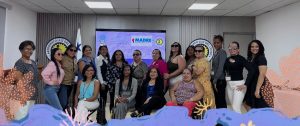
Photo gallery of the leadership course aimed at FCAM partner organizations: