GEPAE: Collective Defense and Feminist Resistance
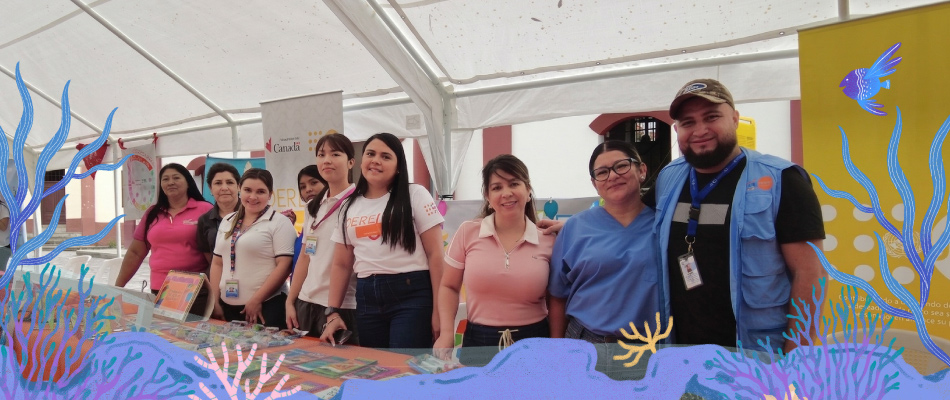
Table of Contents
- GEPAE and its work with the FCAM Foundation
- Access to Emergency Contraception and the Sustained Struggle to Prevent Backsliding
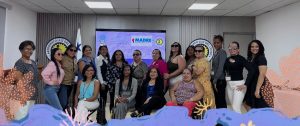
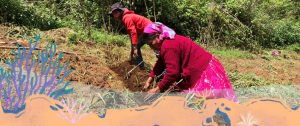
- Photo gallery of activities throughout 2025:
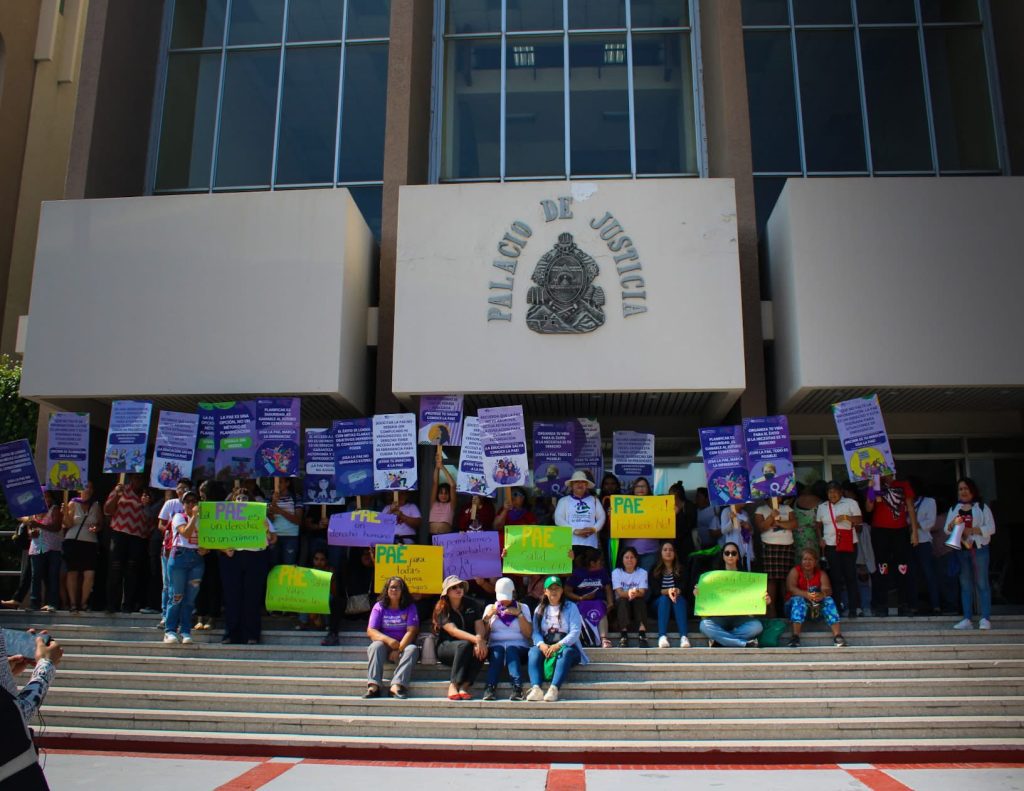
In Honduras, deciding over one’s own body has historically been fraught with risk. In 2009, when the State banned the Emergency Contraceptive Pill (PAE), it further institutionalized violence against girls, adolescents, and women by denying them a basic tool for health and autonomy, even in cases of rape. Faced with this setback, the women’s movement did not back down. It resisted, denounced, and organized. Out of this sustained struggle, the Strategic Group for the Emergency Contraceptive Pill (GEPAE) emerged in 2014 as a feminist space for political articulation, built by organizations and activists convinced that sexual and reproductive rights are not begged for, but won and defended.
Since then, GEPAE has been a collective driving force for advocacy, information, and care. Its commitment has been clear and profoundly political: to challenge conservative common sense with scientific evidence, a human rights approach, and grassroots feminism; to bring information to those excluded by the system; and to place at the center the autonomy of bodies, especially those of girls, adolescents, and women living in contexts of inequality and structural violence.
“Our dreams and hopes are focused on building a country where decisions about our bodies and lives are respected, where girls, adolescents, and women can exercise their sexual and reproductive rights (SRHR) without fear or guilt,” they say.
GEPAE and its work with the FCAM Foundation
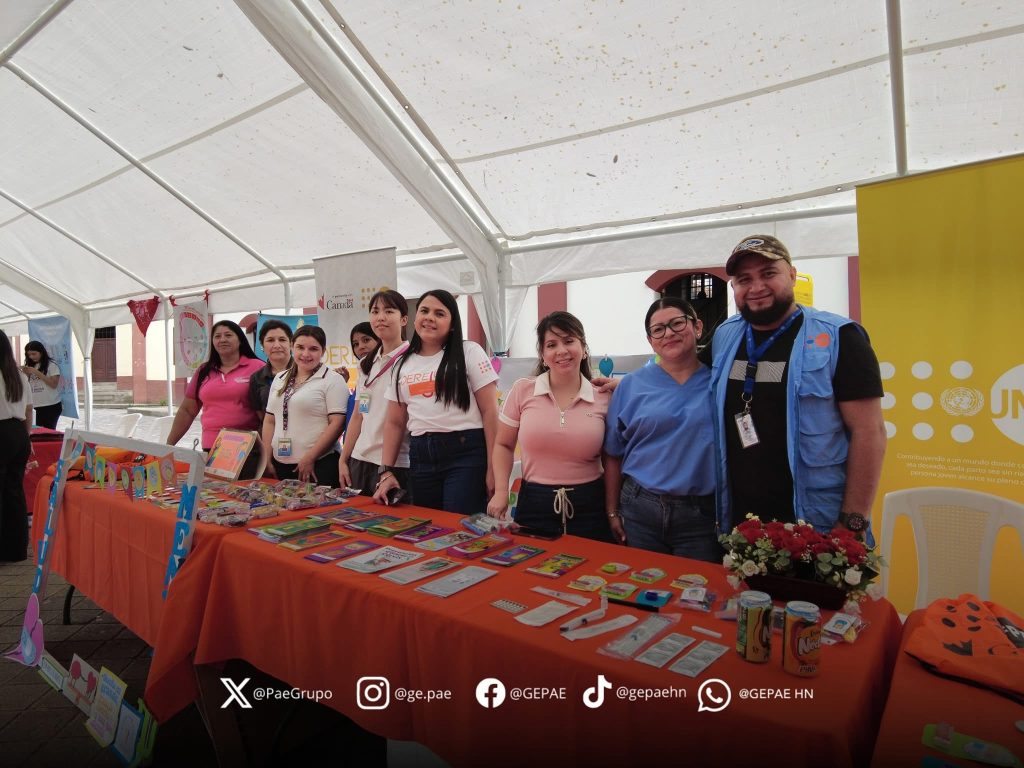
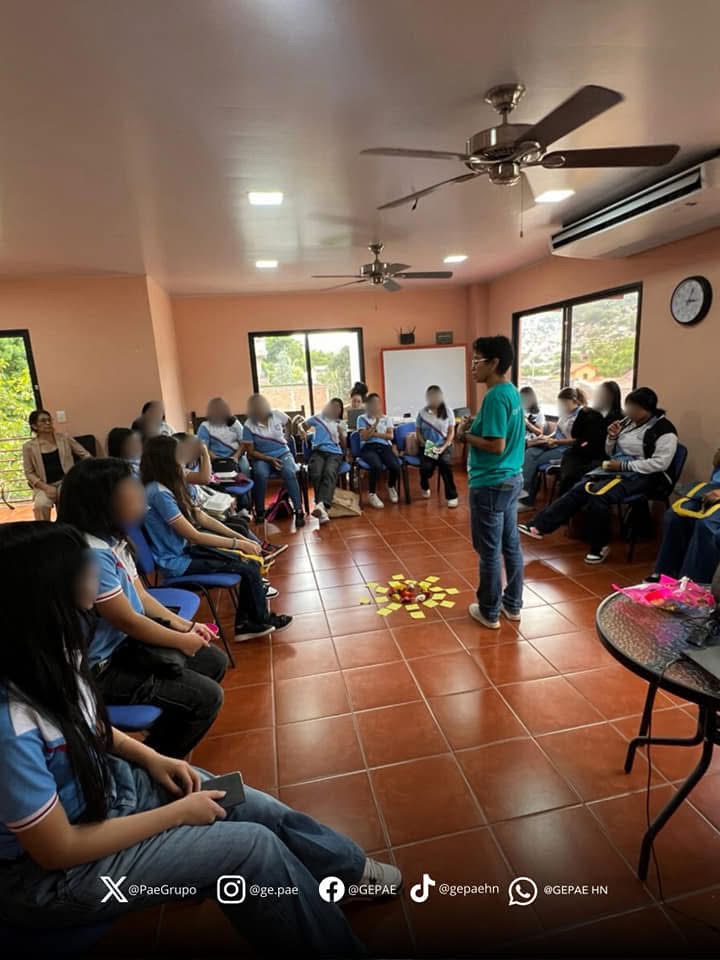
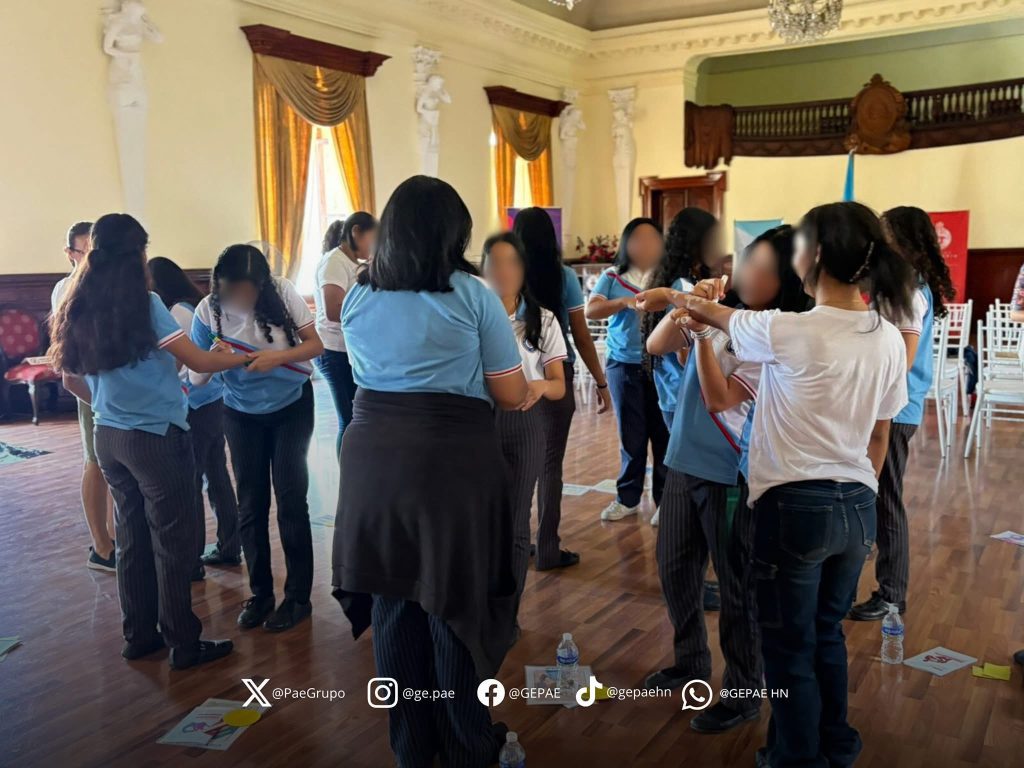
Despite an adverse context and persistent institutional resistance, GEPAE has consolidated itself as a key space for collaboration among organizations—strengthening capacities, bringing together leaders, and positioning the defense of sexual and reproductive health in communities and educational settings. In 2025, with the support of the FCAM Foundation, this commitment was translated into concrete actions: information fairs, training programs, and educational talks that addressed, without fear, historically censored topics such as emergency contraception, consent, the prevention of teenage pregnancy, dignified menstruation, mental health, and sexual violence, all from a critical and transformative perspective.
More than 406 young people and adolescents in Gracias, Lempira, and Tegucigalpa gained access to clear, scientific, and unbiased information. For many, it was the first time someone had spoken to them about emergency contraception without guilt or stigma. For others, it meant reinterpreting painful experiences and understanding that they were not alone. From these spaces emerged young leaders, greater confidence in decision-making, and a genuine appropriation of sexual and reproductive rights as part of human dignity.
The path was not easy. GEPAE faced direct resistance from male teachers who tried to prevent them from entering schools, demonstrating how adult-centrism and machismo continue to operate as structural barriers. But the response was political organization: alliances with committed teachers, healthcare personnel, and later, with the National Police. This collaboration not only opened the doors of schools, but also made it possible to address sexual violence more comprehensively, promote reporting, attend to mental health, and make clear that these crimes should carry legal consequences.
“This multisectoral collaboration was our most powerful tool for transforming initial resistance into shared responsibility and for protecting girls and adolescents on all fronts: education, health, and justice,” they explain.
Access to Emergency Contraception and the Sustained Struggle to Prevent Backsliding
The lifting of the ban on emergency contraception in March 2023 marked a historic milestone and acknowledged a long-overdue debt to Honduran women. It was a victory for the organized feminist movement and for the sustained work of GEPAE. However, that victory is not definitive. Today, amid an uncertain political landscape and the advance of conservative sectors seeking to roll back hard-won rights, access to emergency contraception is once again at risk.
“As GEPAE, we have analyzed a number of scenarios that represent a significant setback for women’s rights, given that the current government is highly conservative, fundamentalist, and restrictive when it comes to those rights.”
For that reason, GEPAE remains active. The continuity of its work is sustained through annual planning, the search for new resources, and the strengthening of alliances. As long as information gaps, sexual violence, and attempts to reverse progress persist, staying organized is not optional: it is a political necessity.
GEPAE shows that when women organize, fear loses its power; that information saves lives; and that autonomy is defended day by day. Organization, rights, autonomy, care, and advocacy are not slogans: they are a collective practice that has already changed history and will not allow backsliding.
Photo gallery of activities throughout 2025: