The Speaking from Otherness Congress: Building Dialogues at the Margins

Table of Contents
How can social transformation be built when the voices leading it have historically been made inaudible? The Speaking from Otherness Congress emerged as a collective political response to this question, creating a space for encounter with realities that are often left out of mainstream discourse.
A Space for Voices of Resistance
The congress was born out of the need to foster situated dialogues. It served as a platform for bodies and territories that are subjected to structural violence, control, and stereotyping, but which are also the driving forces behind social struggles in the region.
The space centered the reflections of the partner organizations we support in Central America:
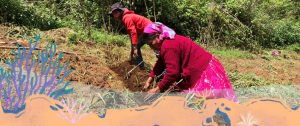
- Peasant, indigenous, and Garifuna women resisting extractive projects.
- Trans and non-binary people advocating for recognition of their identities.
- Women’s organizations working for sexual and reproductive rights.
- Girls and young women dedicating their energy to building environments free from violence.
Shared Knowledge: Decoloniality and Transfeminisms
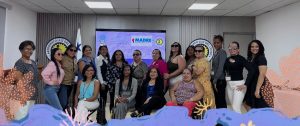
With 120 participants in each session, the Speaking from Otherness devoted a week, from October 27 to 30, 2025, to exploring key political approaches for understanding the forms of oppression that affect us, from different perspectives and lived realities:
- Decoloniality and antiracism.
- Transfeminisms and decoloniality.
- Community and neighborhood feminism.
- Able bodies and critiques of the economic system.
The success of the gathering lay in the panelists’ ability to translate complex concepts and theories into everyday, situated analyses, enabling a horizontal exchange of knowledge across diverse backgrounds and perspectives.
We work from an approach that emerges from within communities of people with disabilities… It is built on the active participation of those directly involved, because they are the ones who can truly tell you what we need and how we need it. Part of these practices means, for example, recognizing the need for accessibility in activist spaces. Access to information is a crucial issue. If we cannot access information about our basic rights, how can we fight for them and recognize ourselves from that perspective?… Am I truly acknowledging that diverse bodies and different ways of doing things exist in my community?
Panelist — Maquito Nómade.